Premium color additives and functional masterbatches designed for blown film, injection molding, and continuous extrusion applications.
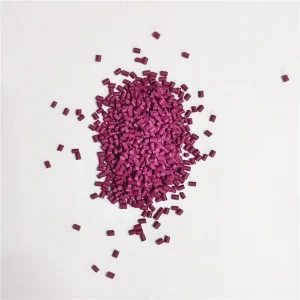
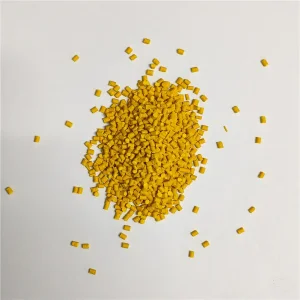
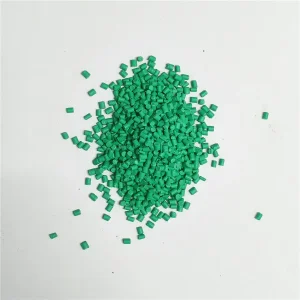
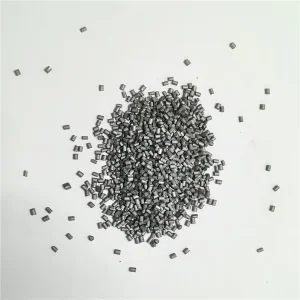
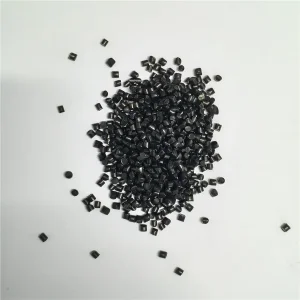
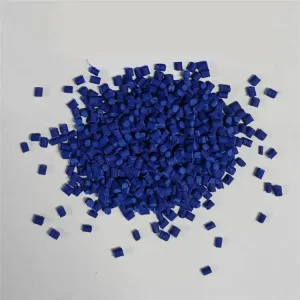
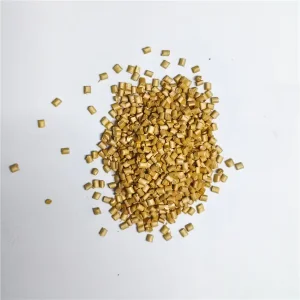
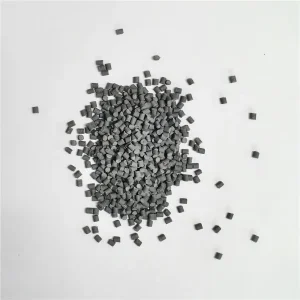
Polyethylene (PE), encompassing Low-Density Polyethylene (LDPE), Linear Low-Density Polyethylene (LLDPE), and High-Density Polyethylene (HDPE), serves as the backbone of modern industrial plastics. However, when exposed to outdoor environmental conditions, PE resins are susceptible to severe solar ultraviolet (UV) radiation degradation. Solar photons within the UV-A (315–400 nm) and UV-B (280–315 nm) spectrum possess energy levels exceeding the carbon-carbon (C-C) bond dissociation energy (approximately 347 kJ/mol) of the polymer backbone. This triggers photo-oxidative degradation via Norrish Type I and Norrish Type II free radical reaction cascades.
Key Insight: Without specialized weather-resistant additives, un-stabilized polyethylene exposed to direct sunlight suffers rapid macromolecular chain scission, micro-cracking, severe discoloration (yellowing index elevation), loss of tensile strength, and catastrophic structural failure within 3 to 6 months of outdoor exposure.
To prevent this degradation, Changzhou Jiazhou Plastic Products Co., Ltd. formulates industrial-grade Weather Resistant PE Masterbatch solutions. By incorporating synergistic combinations of Hindered Amine Light Stabilizers (HALS), UV Absorbers (UVA), Micronized Rutile Titanium Dioxide (TiO₂), high-surface-area Carbon Black, and primary/secondary antioxidants, our masterbatches neutralize free radicals, dissipate solar energy as heat, and establish a molecular-level barrier against photo-oxidation.
Organo-chemical UV absorbers convert harmful UV photons into harmless thermal kinetic energy, while inorganic rutile TiO₂ and carbon black scatter solar light, blocking radiation from penetrating the inner core of extruded films and molded parts.
High-molecular-weight Hindered Amine Light Stabilizers act via the Denisov Cycle, continuously regenerating nitroxyl radicals (>N-O•) to scavenge alkyl and alkylperoxy radicals before they cause polymer chain scission.
Sterically hindered phenols (primary antioxidants) combined with phosphite esters (secondary antioxidants) safeguard the polyolefin matrix against thermal degradation during high-temperature processing up to 260°C–300°C.
Surging demand for long-life outdoor plastics across renewable energy, infrastructure, modern agriculture, and municipal engineering.
The global market for weather-resistant polyethylene compounding is undergoing rapid expansion, driven by mega-trends in climate adaptation, agricultural modernization, and renewable energy infrastructure investment. Industrial buyers across North America, Europe, the Middle East, and Southeast Asia are increasingly replacing traditional metals and concrete with lightweight, corrosion-proof, UV-stabilized polyolefins.
| Global Region | Primary Application Sectors | UV Index Exposure | Required Lifespan Target | Core Masterbatch Specification Requirements |
|---|---|---|---|---|
| Middle East & GCC | Drip Irrigation Pipes, Geomembranes, Solar Backsheets | Extremely High (UV Index 10–12+) | 10 to 25 Years | High-density Carbon Black (P-type), HALS-770/944 complexes, Heat stability >280°C |
| North America | Outdoor Stadium Seating, Telecommunication Conduits, Rotomolded Tanks | Moderate to High (UV Index 6–9) | 15 to 20 Years | Color consistency (Delta E < 0.8), ASTM G155 Xenon Arc compliance, RoHS/REACH SVHC free |
| European Union | Agricultural Greenhouse Films, Circular PCR Packaging, Civil Pipe | Moderate (UV Index 4–7) | 5 to 10 Years | Pesticide-resistant HALS formulation, Recyclability compatibility, Non-migratory dyes |
| Southeast Asia & LATAM | Shrink Films, Aquaculture Cages, Water Transport Infrastructure | High & Humid (UV Index 9–11) | 8 to 15 Years | Anti-fungal & anti-algal synergistic additives, Moisture-resistant carrier resin (MFI matched) |
Global procurement directors require masterbatch suppliers capable of delivering strict batch-to-batch consistency. A major challenge in outdoor plastics manufacturing is "additive leaching" and "bloom," where low-molecular-weight light stabilizers migrate to the plastic surface, leading to loss of UV protection and surface chalking. Changzhou Jiazhou addresses this issue by utilizing polymeric high-molecular-weight HALS additives combined with linear low-density polyethylene (LLDPE) carrier resins engineered for precise melt flow indexing (MFI) compatibility.
Combining advanced compounding technology with Jiangsu’s world-class chemical supply chain ecosystem.
Our 6,000 m² modern factory houses high-speed, co-rotating twin-screw extruders featuring specialized screw element configurations. This guarantees shear-induced dispersion of pigments down to sub-micron particle sizes, eliminating agglomerates.
Every batch undergoes rigorous quality control using Datacolor Spectrophotometers, Melt Flow Indexers (ISO 1133), Filter Pressure Value (FPV) testing equipment, and QUV accelerated weathering chambers to ensure zero-defect delivery.
Located in Zouqu Town, Changzhou, Jiangsu, our facility benefits from direct access to Shanghai and Ningbo ports. Coupled with lean raw material inventory management, we offer standard export fulfillment within 15 days.
Tailored additive and color masterbatch configurations built for extreme operating environments.
Agricultural multi-layer blown films (greenhouse covers, silage stretch wraps, and mulch films) require UV protection while being constantly exposed to crop-protection chemicals such as sulfur and halogen pesticides. Traditional HALS additives can deactivate upon contact with acidic pesticide residues. Changzhou Jiazhou utilizes NOR-HALS technology (amino-ether HALS), providing high chemical resistance against sulfur burning while extending film operational life up to 3–5 seasons.
High-Density Polyethylene (HDPE) water supply pipes, gas lines, and cable conduits are often stored outdoors in staging yards for months prior to installation. Our Weather Resistant Black Masterbatch incorporates fine particle size P-type Carbon Black (19–25 nm) evenly dispersed at a 20%–45% loading rate. This delivers optimal UV absorption, preventing environmental stress cracking (ESCR) and preserving hydrostatic strength over a 50-year service life.
Rotational molding applications require low-viscosity, thermally stable masterbatches capable of enduring long oven cycle times (15 to 30 minutes at 250°C–300°C) without thermal degradation or pigment discoloration. Jiazhou's micro-pelletized Weather Resistant White and Color Masterbatches melt quickly and evenly, creating a seamless, void-free layer with UV stabilization throughout the tank wall.
Returnable plastic pallets, field harvesting crates, and heavy-duty shipping containers undergo frequent impact forces under intense sunlight. Our masterbatch solutions integrate impact-modifying polyolefin copolymers alongside light stabilizers, preventing polymer embrittlement and maintaining high impact resistance even in sub-zero or high-temperature outdoor environments.
Key technological shifts driving the next generation of outdoor polyolefin masterbatch formulations.
As global sustainability mandates force plastic converters to incorporate higher percentages of PCR PE resins, masterbatch formulations must adapt. Recycled polymers contain preexisting degradation products (hydroperoxides). Advanced masterbatches now contain reactive chain extenders, peroxide scavengers, and elevated UV stabilizer packages to restore performance in PCR products.
Emerging compounding approaches blend surface-functionalized nanoscale Titanium Dioxide and Zinc Oxide (ZnO) with organic absorbers. This hybrid strategy broadens the UV absorption spectrum into the UV-A and UV-B regions while reducing overall additive migration.
Next-generation agricultural masterbatches incorporate luminescent photoluminescent pigments that absorb damaging UV radiation and re-emit it as photosynthetic red or blue light spectra. This technical innovation simultaneously protects agricultural film integrity and accelerates crop growth rates.
Key technical parameters procurement officers must review when selecting a high-performance masterbatch manufacturer.
Ensure the masterbatch carrier polymer matches the base resin's chemistry and Melt Flow Index (MFI). Mismatched carriers can cause phase separation, surface delamination, and weak weld lines.
Demand FPV test results (EN 13900-5 certified). Low FPV values (<1.0 bar/g) indicate fine pigment dispersion, preventing screen pack clogging during high-speed film extrusion.
Verify laboratory test reports for ASTM G154 (QUV) or ASTM G155 (Xenon Arc). Check retention rates for tensile strength and elongation at break after 2,000+ hours of continuous exposure.
Confirm compliance with global standards, including EU RoHS Directive 2011/65/EU, REACH SVHC candidate lists, FDA 21 CFR food contact safety, and Heavy Metal Free (EN 71-3) certifications.
Answers to common technical, manufacturing, and sourcing questions from B2B buyers.
The typical addition dosage ranges between 1% and 5% by weight, depending on the wall thickness of the final plastic product, the geographical UV index, and the targeted service lifespan. For example, thin agricultural blown films (25–50 microns) usually require a 3% to 5% let-down ratio, while thick-walled HDPE pipe extrusion or injection molded items may achieve optimal protection at 1.5% to 3% addition rates.
Organic UV Absorbers (UVA), such as benzotriazoles, act as optical filters by absorbing UV light energy and dissipating it as harmless thermal energy. However, UVA effectiveness depends on path length, making them less effective in thin films. HALS work chemically via free-radical scavenging mechanisms independent of wall thickness, making them highly effective for thin films, fibers, and fine structures.
Yes. Changzhou Jiazhou formulates masterbatches using thermally stable organic and inorganic pigments combined with secondary organophosphite antioxidants. Our products undergo thermal gravimetric analysis (TGA) to ensure zero thermal degradation, gas generation, or discoloration during high-temperature extrusion processing up to 260°C–300°C.
Absolutly. We offer professional Pantone, RAL, and sample-based custom color matching. Customers can provide target color chips or physical plastic samples. Our optical technicians use computer spectrophotometers to create custom color and additive masterbatch formulations, accompanied by free sample shipments for lab testing prior to bulk production.
Explore our full line of specialized color additives and functional masterbatches for global plastic manufacturers.
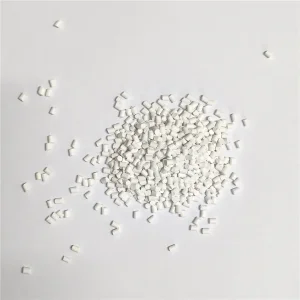
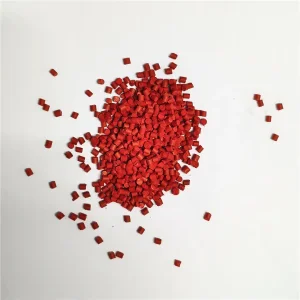
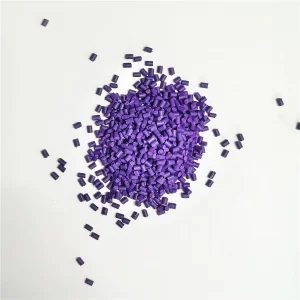
Established in 2010, Changzhou Jiazhou Plastic Products Co., Ltd. is a 16-year verified B2B manufacturing leader specializing in high-concentration PE color masterbatch, black & white masterbatch, filler masterbatch, and functional additive masterbatch solutions. Operating a 6,000 m² modern factory in Zouqu Town, Changzhou, Jiangsu, China, we export ISO-certified, RoHS-compliant masterbatch products to over 100 countries worldwide.
Factory Address: No. 4-3, Shengli Road, Buyi, Zouqu Town, Zhonglou District, Changzhou, Jiangsu, China
Sales Hotline: +86 158 6116 1116 / +86 177 6838 8359
Email Inquiry: [email protected] / [email protected]