High-dispersion, heat-stabilized color compounds engineered for film blowing, injection molding, and agricultural extrusion in New Zealand.
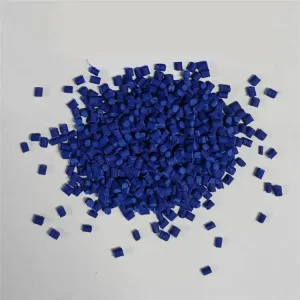
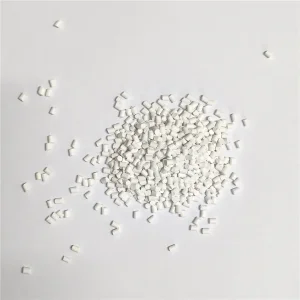
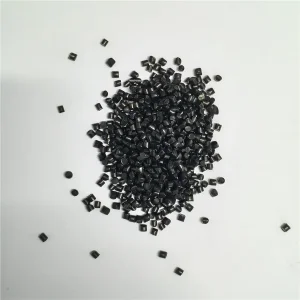
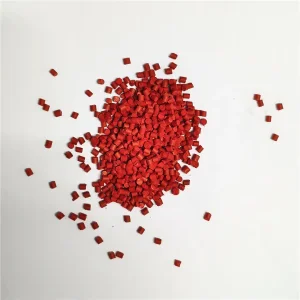
An in-depth evaluation of supply dynamics, agricultural packaging reliance, and economic imperatives for Kiwi plastic converters.
New Zealand’s industrial and manufacturing matrix occupies a unique structural position in the global economy. As an island nation heavily reliant on primary sector exports—specifically dairy, horticulture, viticulture, and meat processing—the domestic demand for high-performance polymer packaging materials, agricultural stretch films, irrigation piping, and materials handling containers is exceptionally high. However, New Zealand's domestic plastic processing sector operates under distinct margin pressures. With a domestic population of approximately 5.2 million, local polymer compounders lack the massive scale economies seen in North American or Asian manufacturing epicenters.
Consequently, New Zealand plastic converters, blow molders, and extruders are constantly challenged to balance strict quality compliance (such as AS/NZS food contact safety standards and rigorous outdoor UV exposure limits) with total cost of procurement. This commercial reality has amplified the demand for direct-from-manufacturer sourcing of "cheap" yet highly technically proficient additive and color masterbatches from established global manufacturing hubs, predominantly China.
Definition of "Cheap" in Enterprise Procurement: In professional polymer engineering, "cheap" does not imply compromised quality or degraded recycled fillers. It denotes high operational efficiency, minimal middle-tier markups, optimized pigment loading percentage (Information Gain: high color strength allows lower dosing ratios, effectively lowering the cost-per-ton of processed resin), and streamlined cross-border logistics from source factories.
Globally, the masterbatch industry is undergoing a structural transition toward high-concentration, eco-compatible carrier resins. Global polyolefin masterbatch consumption surpassed 8.5 million metric tons recently, with Polyethylene (PE) and Polypropylene (PP) carriers accounting for over 65% of total volume. Driving this demand is the consumer transition to lightweight flexible packaging and the industrial requirement for durable, UV-resistant agricultural films capable of withstanding New Zealand’s high solar radiation levels (UV index levels reaching up to 12-13 in peak summer due to ozone dynamics in the Southern Hemisphere).
How Changzhou industrial clusters leverage upstream raw material integration, continuous twin-screw compounding technology, and scale to serve NZ buyers.
Located in Changzhou, Jiangsu Province, direct access to primary petrochemical refineries ensures consistent supply of low-density polyethylene (LDPE) and linear low-density polyethylene (LLDPE) carriers with stable melt flow indexes (MFI).
High-torque co-rotating twin-screw extruders feature loss-in-weight gravimetric feeding systems, ensuring color dispersion variation is maintained below ΔE < 0.5 across mega-batches.
By engineering high-concentration masterbatch formulations (up to 70% organic/inorganic pigment loading), New Zealand buyers achieve target opacity at lower LDRs (1% to 3%), drastically reducing shipping mass and unit cost.
For New Zealand purchasing directors, importing directly from accredited Chinese manufacturing facilities cuts out regional wholesale distributors who often add 30% to 50% margin overlays. Furthermore, direct technical consultation between the Kiwi factory floor and the source compounding laboratory enables custom additive formulation—such as compounding hindered amine light stabilizers (HALS) directly with color masterbatch for single-step dosing.
Targeted material compounding designed to solve operational challenges in key New Zealand geographic and commercial environments.
| NZ Industry Sector | Specific Application | Masterbatch Type Required | Key Technical Performance Criteria |
|---|---|---|---|
| Agriculture & Pastoral | Silage Stretch Wrap, Baling Film, Grain Bags | High-Concentration White / Black PE Masterbatch | Extreme UV-stabilization (HALS), high puncture resistance, 260°C melt stability, non-tack carrier design. |
| Dairy Packaging & Storage | Milk Milk Crate Injection, Rigid Tubs, Cream Bottles | Food-Grade TiO2 White & Custom PE Color Masterbatch | FDA/Heavy Metal Free compliance, zero odor migration, high opacity to prevent photo-oxidation of dairy fats. |
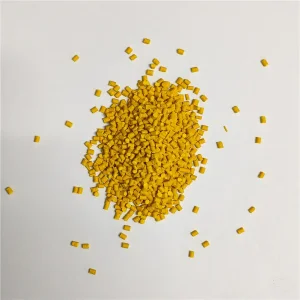
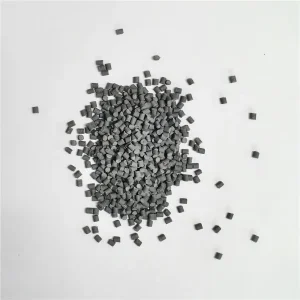
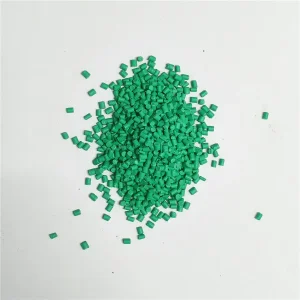
| Horticulture & Viticulture | Kiwifruit Crates, Berry Trays, Vineyard Netting | UV-Stabilized Green, Yellow & Grey PE Masterbatch | Anti-fading pigment chemistry, high impact retention down to 0°C, chemical resistance to agricultural sprays. |
| Civil Construction & Piping | PE100 Pressure Pipes, Cable Ducting, Geomembranes | High-Dispersion Carbon Black Masterbatch (20-25% Fine Particle) | Sub-25 nanometer carbon black particle size, Filter Pressure Value (FPV) compliance, moisture content < 0.05%. |
| Timber & Forestry | Lumber Wrapping Film, Synthetic Strapping | Silver, Rose Red, & Blue High-Opacity PE Masterbatch | High heat reflectivity, anti-tearing, anti-static additive integration, uniform color across high-speed extrusion. |
Proactive risk mitigation and material verification protocols for international polymer procurement.
A frequent error in cost-focused masterbatch sourcing is mismatching the carrier polymer with the base production resin. To guarantee zero delamination or loss of mechanical properties in New Zealand processing lines, masterbatches must utilize optimized carriers:
New Zealand enforces strict environmental and consumer protection rules under the Environmental Protection Authority (EPA) and Trading Standards. Exported masterbatch lots undergo laboratory testing verifying:
How modern masterbatch compounding supports New Zealand's sustainability mandates and post-consumer recycled (PCR) resin integration.
As New Zealand enforces higher PCR mandates for single-use packaging, recycled resins often suffer from yellowing or graying. Next-generation optical brightener and blue/violet tint masterbatches neutralize recycled resin discoloration, restoring aesthetic clarity at minimal cost.
Traditional carbon black masterbatches absorb NIR radiation, rendering black plastic invisible to automated optical sorting machines at MRF recycling plants in Auckland and Christchurch. NIR-detectable black masterbatches allow black rigid packaging to be sorted and recycled efficiently.
Direct technical and logistical answers regarding masterbatch importing, lead times, custom color matching, and quality assurance.
Explore our comprehensive product catalog optimized for injection molding, blow molding, and film extrusion across New Zealand.
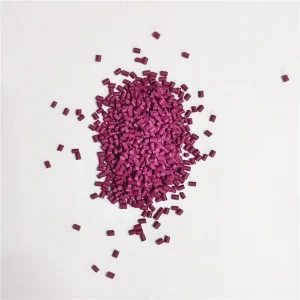
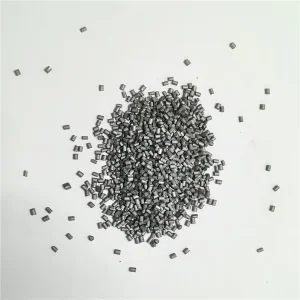
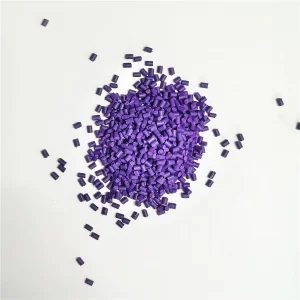
Request technical datasheets (TDS), safety datasheets (SDS), certified laboratory test reports, and free evaluation samples tailored to your extrusion or injection molding setup.
Send Inquiry Now