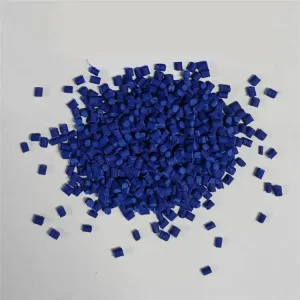
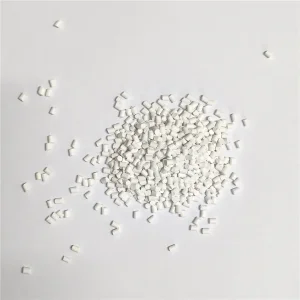
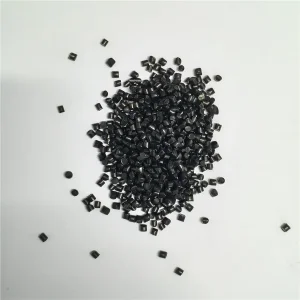
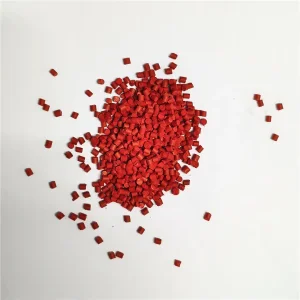
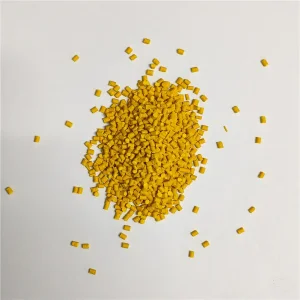
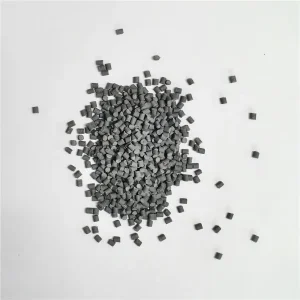
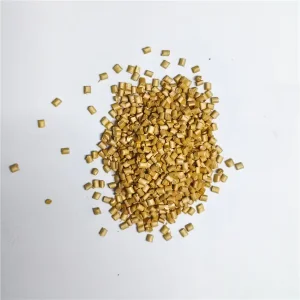
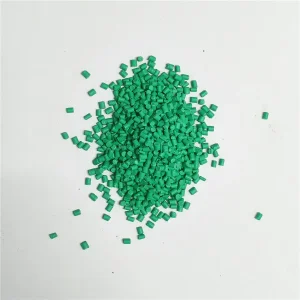
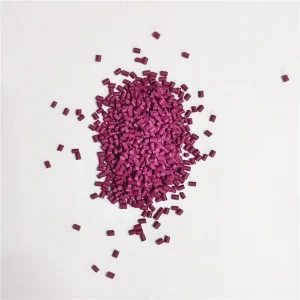
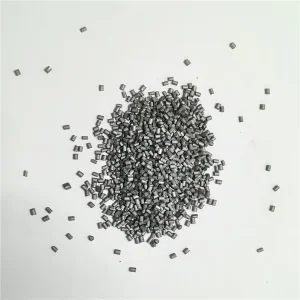
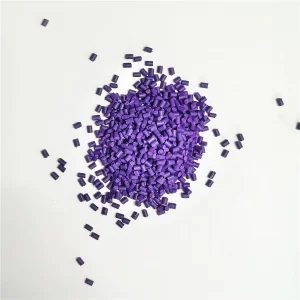
Our initial selection of high-concentration polyethylene (PE) masterbatches engineered to meet the demanding operational standards of plastic manufacturing hubs across Klang Valley, Shah Alam, and the greater Kuala Lumpur region.
As the economic engine of Malaysia, the greater Kuala Lumpur and Klang Valley industrial belt—encompassing active manufacturing clusters in Shah Alam, Klang, Petaling Jaya, and Balakong—represents one of Southeast Asia's most sophisticated plastic processing markets. The regional industry has undergone a massive transformation, shifting from commodity plastic converting to high-value, precise polymer engineering. Polymer converters in West Malaysia serve vital domestic and export sectors, including food and beverage flexible packaging, automotive component manufacturing, agricultural films, electrical and electronic (E&E) structural housings, and civil infrastructure piping systems.
Operating within a tropical equatorial climate characterized by year-round elevated temperatures (averaging 28°C to 35°C), high relative humidity (often exceeding 80%), and intense solar ultraviolet (UV) radiation levels, plastic products designed for the Kuala Lumpur market face extreme physical degradation challenges. Plastic components used in outdoor construction, logistics stretch wraps, or automotive under-the-hood applications are subject to severe thermal aging, photo-oxidation, pigment chalking, and environmental stress cracking.
To remain competitive, custom product factories and plastic manufacturing suppliers serving Kuala Lumpur require advanced masterbatch additives that do more than merely impart color. Modern blown film extruders running high-speed machinery (up to 300 m/min) demand masterbatches with exceptional pigment dispersion, micro-particle refinement, minimal filter pressure value (FPV), and zero volatile organic compound (VOC) off-gassing. Whether producing multi-layer barrier packaging films or complex injection-molded automotive trims, polymer processors require direct access to custom masterbatch factories that understand carrier resin rheology, pigment chemistry, and local regulatory mandates such as Malaysia's SIRIM certifications and Halal packaging standards.
Achieving flawless color intensity, mechanical strength integrity, and processing efficiency requires a deep scientific focus on masterbatch compounding. At Changzhou Jiazhou Plastic Products Co., Ltd., our engineering methodology focuses on three critical pillars: carrier matrix optimization, pigment surface treatment, and dispersion particle size distribution.
We utilize virgin prime-grade Low-Density Polyethylene (LDPE) and Linear Low-Density Polyethylene (LLDPE) carriers engineered with specific Melt Flow Indices (MFI ranging from 8 g/10min to 20 g/10min at 190°C/2.16kg). Matching the melt viscosity of the carrier to the target substrate prevents phase separation, flow marks, and interfacial shear stress during high-speed extrusion or injection cycles.
Using continuous high-shear twin-screw co-rotating extruders, our organic color pigments (Phthalocyanine Blues, Quinacridone Reds, Isoindolinone Yellows) are micronized below 2.5 microns. This ensures complete color development without agglomerates, eliminating pinholes, filter clogging, and tear propagation in blown film applications down to 10-micron gauge thickness.
Equipped with multi-component hindered amine light stabilizers (HALS) and primary/secondary phenolic antioxidants (Irganox 1010 / Irgafos 168), our masterbatches withstand processing temperatures up to 260°C - 300°C without color shifting, thermal degradation, or pigment blooming into stored goods.
For filler masterbatches (CaCO₃ and Na₂SO₄ based), we incorporate high-purity micro-calcite powders (averaging 2500 mesh to 3000 mesh) treated with hydrophobic stearic acid coupling agents. This specialized surface modification guarantees complete wetting within the polyolefin melt, reducing screw wear, enhancing physical tensile strength, and allowing loading percentages up to 40% in industrial sack and bag manufacturing across West Malaysia.
Custom product factories serving the Kuala Lumpur market require tailored masterbatch solutions aligned with specific industrial sub-sectors. Our custom formulation pipeline directly addresses the operational requirements of local converters:
Food packaging manufacturers in Selangor demand non-toxic, odorless, and FDA/EU-compliant masterbatches. Our High-Concentration White (TiO₂ Rutile >70-80%) and Blue/Green masterbatches provide high opacity, excellent heat sealing properties, and zero flavor contamination for bread bags, frozen food pouches, and beverage shrink wraps.
Agricultural mulch films, palm oil plantation collection bags, and construction vapor barriers require robust UV shielding. Our custom Black Masterbatch (containing 40-50% high-structure P-type carbon black with particle sizes of 15-20nm) delivers maximum UV absorption, preventing environmental polymer embrittlement under intense tropical sunlight.
Automotive tier-1 and electronic OEMs require precise metallic, silver, and custom color matching with Delta E values below 0.5 under CIELAB color space standards. Our custom silver, rose red, gold, and purple masterbatches provide vibrant visual aesthetics, warp-free crystallization control, and high scratch resistance for interior dashboards and household electrical enclosures.
Infrastructure projects across Kuala Lumpur require HDPE water lines, cable ductings, and corrugated drainage pipes with 50-year service lifespans. Our specialized pipe-grade Black Masterbatch ensures uniform dispersion to meet ISO 4427 and SIRIM standards, protecting underground pipelines from oxidative degradation and micro-cracking.
Sourcing masterbatch directly from Changzhou Jiazhou Plastic Products Co., Ltd. offers Kuala Lumpur polymer processors a significant competitive advantage over localized distributors or high-cost European imports. Situated in Changzhou, Jiangsu Province—at the core of East China’s polymer chemical cluster—our facility benefits from direct upstream resin integration and scale economies.
By leveraging long-term bulk procurement contracts for titanium dioxide (TiO₂), carbon black, micro-calcite, and prime polyolefin resins, we maintain total cost control while insulating our Kuala Lumpur clients from volatile resin price swings.
Operating a 6,000 m² modern production facility with automated loss-in-weight gravimetric feeders and multi-screw extrusion lines, our daily throughput exceeds tens of metric tons, ensuring rapid order fulfillment within 7 to 15 days.
Proximity to Shanghai and Ningbo ports enables seamless ocean freight corridors to Port Klang (Northport and Westport). Direct container shipping routes typically take only 5 to 7 transit days, ensuring minimal stockout risk for factories operating under Just-In-Time (JIT) production schedules.
Furthermore, under the ASEAN-China Free Trade Area (ACFTA), Malaysian importers can utilize Form E Certificates of Origin to benefit from zero or preferential import tariff treatments, substantially reducing total landed cost compared to alternative international suppliers.
As Malaysia advances its national sustainability frameworks—such as the Malaysia Plastics Sustainability Roadmap 2021-2030—polymer manufacturers in Kuala Lumpur must transition toward circular economy models. Jiazhou Masterbatch is actively advancing next-generation functional masterbatch technology to support this regional transition:
Developing specialized color and functional masterbatches designed to blend seamlessly with post-consumer recycled (rPE and rPP) streams. Advanced chain extenders and compatibilizers within the masterbatch restore mechanical properties lost during heat recycling cycles.
Formulating masterbatch lines using biodegradable carrier resins like PLA (Polylactic Acid) and PBAT (Polybutyrate Adipate Terephthalate) paired with organic, eco-friendly pigments for certified compostable shopping bags and agricultural films.
Conventional carbon black masterbatches absorb NIR light, rendering black plastic invisible to automated sorting sensors at municipal recycling centers. Our NIR-reflecting black masterbatch allows automated optical sorters to detect and recycle black plastic waste effectively.
With over 16 years of continuous manufacturing experience and exports spanning more than 100 countries, Changzhou Jiazhou Plastic Products Co., Ltd. operates under strict international quality assurance protocols. Every batch dispatched to Kuala Lumpur undergoes multi-stage quality control checks:
Our technical export engineers provide complete documentation, including Certificates of Analysis (COA), Material Safety Data Sheets (MSDS), and Technical Data Sheets (TDS) with every shipment entering Port Klang.
Direct insights from our senior technical service engineers addressing real-world processing challenges faced by plastic molding and film extruders in West Malaysia.
Answer: For standard high-concentration color masterbatch (such as our Blue, Red, or Yellow series), we typically recommend a Let-Down Ratio (LDR) of 1.5% to 3.0% depending on the targeted film gauge and opacity requirements. For our White Masterbatch with high TiO₂ loading, an LDR of 2.0% to 5.0% is recommended. Using our highly concentrated masterbatches allows converters to lower their LDR, directly reducing overall manufacturing cost per ton of finished film.
Answer: Pigment streaks and pinholes are caused by poor pigment dispersion or moisture absorption in low-quality carriers. Jiazhou Masterbatches undergo triple-stage high-shear twin-screw compounding and pass a strict Filter Pressure Value (FPV) test. Furthermore, our masterbatches have extremely low moisture content (<0.15%), eliminating moisture-induced pinholes during high-temperature extrusion in humid environments like Selangor.
Answer: Yes. We offer a rapid custom color-matching service. Clients in Kuala Lumpur can send us a Pantone code or a physical target plastic sample. Our R&D lab uses computer color-matching spectrophotometers to formulate exact matches within 3 to 5 business days, dispatching trial masterbatch samples via international air express for client approval prior to full-scale production.
Answer: Shipping from Ningbo/Shanghai port to Port Klang takes approximately 5 to 7 days port-to-port. Production lead time is typically 7 to 10 days for standard grades. We accept flexible B2B payment terms including T/T (Telegraphic Transfer) and L/C (Letter of Credit at sight). We also provide complete Form E documentation to ensure 0% preferential customs tariff clearance under ACFTA.
Browse our complete range of specialized PE masterbatches engineered for injection molding, blown film, sheet extrusion, and pipe manufacturing in the Kuala Lumpur region.