
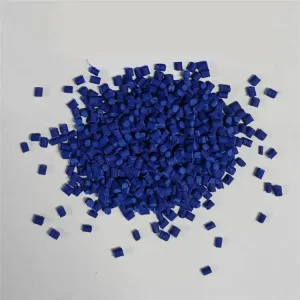
Engineered specifically for high-speed blown film lines, precision injection molding, and continuous pipe extrusion across Polish industrial hubs.
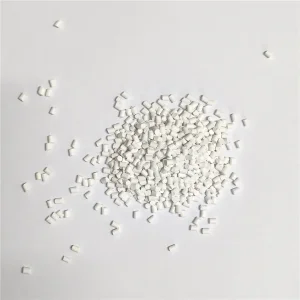
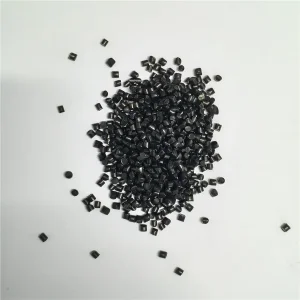
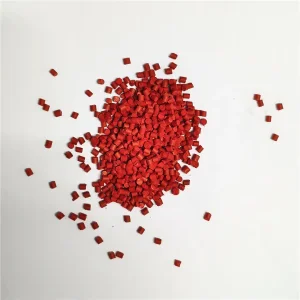
Analysis of Central Europe’s Primary Manufacturing Engine and Its Evolving Sourcing Demands
Poland has solidified its position as the premier manufacturing hub of Central and Eastern Europe (CEE). Key industrial zones—such as the Silesian Voivodeship, Dolny Śląsk (Wrocław region), Wielkopolska (Poznań), and Mazovia—house thousands of plastic converters. These enterprises process millions of metric tons of Polyethylene (PE) and Polypropylene (PP) resins annually to supply European packaging, automotive, and construction sectors.
Polish plastic manufacturers operate under stringent EU environmental frameworks, including REACH regulations, RoHS compliance, and the Packaging and Packaging Waste Directive (PPWD). Local factories demand color masterbatches and polymer additives that feature zero heavy metals, low Volatile Organic Compound (VOC) emissions, and high thermal stability to ensure recyclability without chemical degradation.
With major European OEMs outsourcing component production to Polish factories, strict color consistency (measured by Delta E < 0.5) has transitioned from a luxury to a baseline technical requirement. Whether producing thin stretch films for logistics or rigid containers for FMCG brands, Polish converters require high-concentration pigment loading to maintain melt viscosity while minimizing unit production costs.
Why Polish Enterprise Buyers are Diversifying Raw Material Procurement Toward Direct High-Capacity Factories
Over the past three years, European plastics processors have faced severe cost volatility driven by elevated energy prices, raw material inflation, and supply chain disruptions across domestic EU chemical plants. Traditional European masterbatch suppliers often apply significant premiums to compensate for high operational overheads, passing these costs onto Polish converters who must compete on tight margins in export markets like Germany, France, and Scandinavia.
Consequently, procurement directors across Poland are re-evaluating their vendor matrix. Sourcing masterbatch formulations directly from high-efficiency manufacturing facilities in China provides an immediate strategic advantage—offering structural savings of 15% to 30% without sacrificing technical performance, pigment dispersion quality, or regulatory safety.
Modern international trade networks enable direct sea freight delivery from Asian manufacturing hubs to Polish ports (such as the Port of Gdańsk and Port of Gdynia) or rail links via the New Silk Road (Chengdu/Xi'an to Małaszewicze). This logistics infrastructure allows Polish factories to maintain lean inventories while securing direct mill-cert raw materials.
By leveraging advanced twin-screw extruders and automated gravimetric dosing systems, specialized Asian producers deliver masterbatch products with exceptional dispersion indices, preventing filter clogging in high-speed extrusion lines and eliminating color streak defects during high-volume injection molding.
How Advanced Manufacturing Technology Delivers Unmatched Performance and Cost Gains for Overseas Procurement
Utilizing surface-modified organic and inorganic pigments, Chinese compounding facilities achieve pigment loadings of up to 70% for Titanium Dioxide (TiO₂) white masterbatches and 50% for Carbon Black formulations. This ultra-high concentration lowers dosage requirements (let-down ratios as low as 1% to 2%), dramatically reducing shipping mass and storage footprints for Polish importers.
Advanced co-rotating twin-screw extruders equipped with high-shear mixing zones ensure micro-encapsulation of pigment particles within prime Polyethylene (PE) carrier resins. This eliminates agglomeration, preventing pinholes in ultra-thin film blowing (< 15 microns) and ensuring flawless surface finish in injection-molded automotive trims.
By integrating raw material procurement directly with major resin producers and operating continuous 24/7 automated compounding lines, Chinese factories mitigate market volatility. Polish enterprises benefit from fixed-contract pricing, reliable batch-to-batch consistency, and streamlined export logistics.
Tailored Polymer Formulations Designed for Specific Regional Industrial Clusters
Poland is one of Europe's largest agricultural exporters. High-concentration White Masterbatch (with high TiO₂ loading) and UV-stabilized Black Masterbatch are critical for silage stretch film, greenhouse agricultural cover films, and mulch films. These products require exceptional tensile strength, puncture resistance, and resistance to solar radiation over 24-month outdoor exposures.
The Katowice and Wrocław automotive corridors produce interior trim panels, under-the-hood housing, and exterior bumpers for tier-1 European auto brands. Heat-resistant masterbatches (stable up to 260°C – 300°C) with non-migration and anti-fading colorants are essential to prevent warping, gas marks, or color degradation during high-pressure injection molding.
Poland's massive cosmetic and food processing sectors require precise custom color matching (Pantone/RAL) for blow-molded bottles, caps, and food-grade packaging. Non-toxic, heavy-metal-free PE carrier masterbatches ensure full compliance with EU food contact standards (EU 10/2011) without altering organoleptic properties.
Infrastructure growth in Poland drives demand for HDPE pressure pipes, corrugated conduit, and wire insulation. Carbon Black masterbatches containing P-type pigments ensure optimal UV protection, weatherability, and long-term hydrostatic strength for underground utility networks.
Comparing Factory-Direct Masterbatch Formulations Against Domestic EU Distributors & Generic Traders
| Performance Specification | China Factory Direct (Jiazhou) | European Domestic Distributors | Generic Trading Intermediaries |
|---|---|---|---|
| Pigment Concentration | Ultra-High (Up to 70% TiO₂ / 50% Carbon) | Standard High (50%-60% TiO₂) | Variable / Low (30%-40%) |
| Thermal Resistance Standard | 260°C – 300°C Continuous | 240°C – 280°C Continuous | < 220°C (Risk of degradation) |
| Dispersion Rating (FPV) | < 0.8 bar/g (Ultra-Fine Filterable) | < 1.2 bar/g | > 2.5 bar/g (Filter Clogging Risk) |
| Delta E Color Variance | < 0.5 (Computer Match Verified) | < 0.8 | > 1.5 (Noticeable Deviation) |
| Regulatory Compliance | REACH, RoHS 3.0, FDA, EN 71-3 | Full EU Compliance | Inconsistent Documentation |
| Unit Cost Advantage | Direct Mill Pricing (15-30% Savings) | High Premium (EU Overhead Costs) | Moderate Markup with Quality Risks |
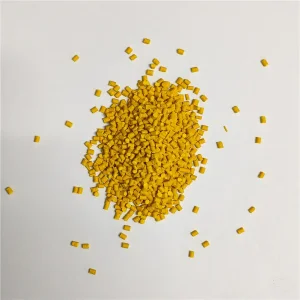
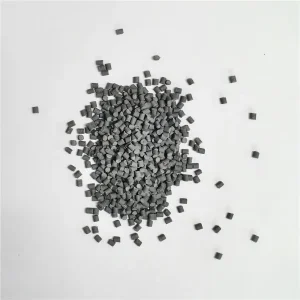
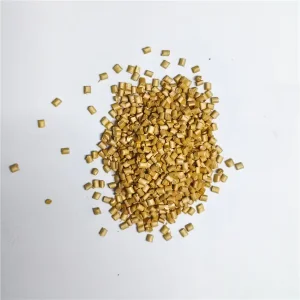
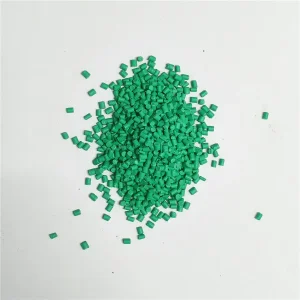
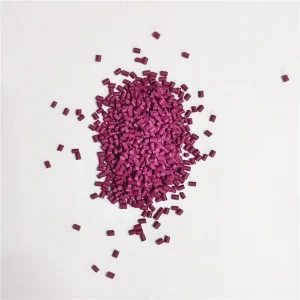
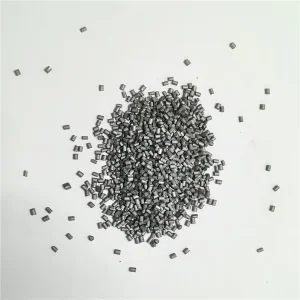
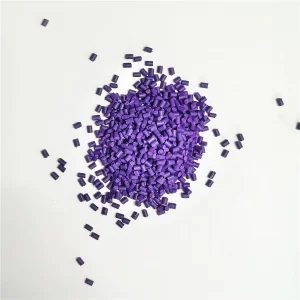
Explore our complete range of specialized color concentrates and functional masterbatches for diverse processing methods.
Navigating Logistics, Quality Assurance, and Regulatory Compliance when Importing Masterbatches
A critical failure point in polymer masterbatch procurement is carrier resin mismatch. The Melt Flow Index (MFI) of the masterbatch carrier must align precisely with the base polymer matrix. For thin film blowing applications, an MFI of 2 to 7 g/10min (190°C/2.16kg) is required, whereas injection molding applications require MFIs ranging from 15 to 45 g/10min to ensure rapid mold filling without sink marks.
Polish border customs authorities perform rigorous screening on imported chemical preparations. Procurement teams must require suppliers to supply full SDS (Safety Data Sheets) formatted under EU Regulation (EC) No 1907/2006 (REACH), confirming the absence of Substances of Very High Concern (SVHC), heavy metal pigments (lead, cadmium, hexavalent chromium), and restricted phthalates.
Ocean freight shipments from Ningbo or Shanghai to Gdańsk/Gdynia typical transit in 30–35 days via direct loop services. For urgent factory orders, rail freight via the trans-Eurasian corridors delivers container loads directly to Małaszewicze terminal in Eastern Poland within 14–18 days, enabling flexible safety stock management.
Expert Answers to Technical, Sourcing, and Import Compliance Questions
Request technical datasheets, full laboratory test reports, and factory-direct price quotations tailored to your operational specifications.