Engineered for superior rheological dispersion, thermal degradation stability up to 260°C, and exceptional UV weatherability across Pacific ocean island applications.
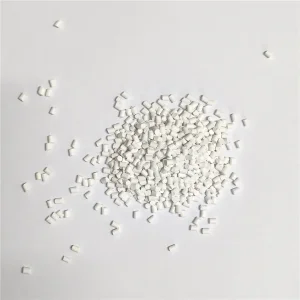
Examining the intersection of high solar radiation, marine salinity, and logistical challenges shaping plastic manufacturing across South Tarawa.
As a vital commercial and residential hub in South Tarawa, Kiribati, Teaoraereke operates under unique environmental and supply chain parameters. Fragile coral atoll hydro-geology requires specialized plastic products for potable rainwater harvesting tanks, high-density polyethylene (HDPE) water reticulation pipes, and marine aquacultural netting. Standard plastic compounds degraded by relentless equatorial UV radiation fail prematurely. Our masterbatches are specially tailored with Hindered Amine Light Stabilizers (HALS) and rutile titanium dioxide to deliver 5+ years of extended outdoor service life under harsh Kiribati weather conditions.
On the global stage, plastic converters face stringent regulations regarding heavy metal migration, RoHS/REACH compliance, and circular economy integration. Freight costs to isolated Pacific ports make raw material efficiency paramount. By utilizing our high-loading PE color and filler masterbatches (up to 75% calcium carbonate filler or 50% pigment concentration), converters serving Teaoraereke reduce let-down ratios (LDR) down to 1%–2%, slashing overall shipping volume while boosting product opacity and impact strength.
Understanding how masterbatch carrier compatibility and particle size distribution eliminate streakiness, filter-plugging, and structural weakness during extrusion and injection molding.
A fundamental flaw in cheap colorants is carrier resin mismatch. Our masterbatch formulations use high-MFI virgin Polyethylene (LDPE/LLDPE/HDPE) matrices matched precisely to the base polymer melt index. This ensures uniform melting during low-shear single-screw blown film extrusion, preventing pinholes and pigment agglomeration in film thicknesses down to 10 microns.
Utilizing high-torque continuous twin-screw extruders with segmented barrel zone temperature management, organic pigments (such as Phthalocyanine Blue, Quinacridone Magenta) and inorganic carbon blacks (N330 grade) are micro-dispersed below 2.5 microns. This eliminates filter clogging in plastic recycling lines operating in coastal regions like South Tarawa.
High ambient processing temperatures (up to 260°C) during injection molding can cause pigment thermal breakdown, color drift, and additive migration. Our anti-migration molecular additives lock pigment particles securely into the polyolefin lattice, preventing color bleed into food products, potable water tanks, or marine fauna habitats.
Information Gain Insight for Polymer Engineers in Teaoraereke: Ocean proximity introduces high humidity and airborne salt aerosol. When processing plastic containers or film in atoll facilities, un-stabilized masterbatch pellets absorb atmospheric moisture, resulting in surface splay, void formation, and reduced tensile strength. Our vacuum packaging and specialized hydrophobic surface treatments guarantee less than 0.05% moisture retention upon delivery to Kiribati ports.
From water security to retail packaging, discover how masterbatch solutions empower localized production in Teaoraereke.
Water independence is critical in South Tarawa. Rotational molding and extrusion of large multi-layer PE water tanks require food-grade White Masterbatch (Rutile TiO2) for outer solar reflection and Black Masterbatch (High Carbon Black loading) for inner layer light-blocking to prevent algal bloom. Non-toxic, lead-free formulations ensure compliance with international drinking water contact standards.
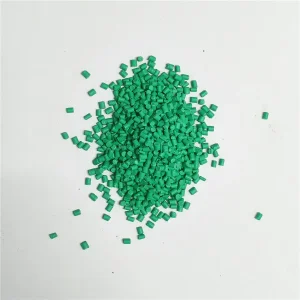
Local retail commerce in Teaoraereke relies heavily on high-strength shopping bags, food wrap film, and agricultural seedling bags. High-concentration Blue, Red, Yellow, and Green masterbatches provide vivid branding capability with ultra-low dosage (1.5% - 2%), reducing raw resin costs while maintaining high tear resistance and gloss.
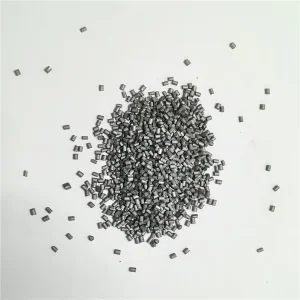
From heavy-duty storage crates and buckets to domestic sanitary products, local plastic molding plants utilize non-warping Grey, Silver, and Gold Masterbatches. These specialty grades contain low-shrinkage pigments that preserve part dimensions, preventing warping around critical mold seal lines.
Equatorial solar intensity rapidly degrades un-stabilized polyolefins. Incorporating customized Black and Blue Masterbatch with built-in UV stabilizers extends the operational lifespan of shade nets, coastal erosion control geotextiles, and marine fishing floats used around the Tarawa lagoon.
Comprehensive quantitative comparison of masterbatch grades designed for plastic injection, blown film, and pipe extrusion converters.
| Masterbatch Grade | Pigment Loading (%) | Carrier Resin | Heat Stability (°C) | Lightfastness (Blue Wool 1-8) | Recommended Application |
|---|---|---|---|---|---|
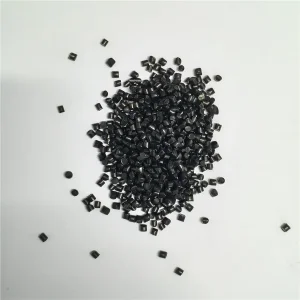
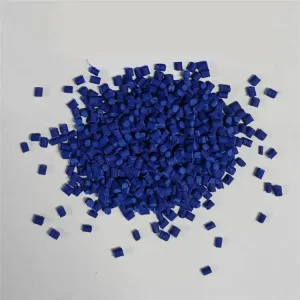
| PE Blue Masterbatch | 40% - 50% Organic | Virgin LLDPE / PE | 260°C | Grade 7-8 | Injection Crates, Blown Packaging Film |
| PE White Masterbatch | 60% - 70% Rutile TiO2 | High MFI LDPE | 280°C | Grade 8 | Water Tanks, Milk Film, Lamination |
| PE Black Masterbatch | 40% - 50% Carbon Black | HDPE / LLDPE | 260°C | Grade 8 | UV Pipe Extrusion, Geotextiles, Trash Bags |
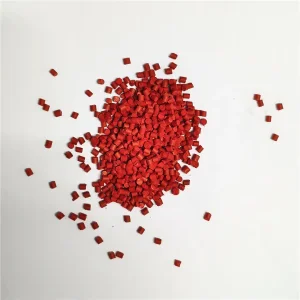
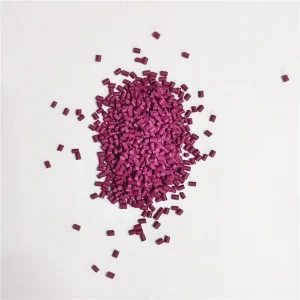
| PE Red Masterbatch | 35% - 45% Organic | Virgin PE | 260°C | Grade 6-7 | Shopping Bags, Container Lids, Toys |
| PE Yellow Masterbatch | 40% Organic / Inorganic | PE Carrier | 250°C | Grade 7 | Agricultural Film, Warning Signs |
| PE Metallic Gold / Silver | 20% - 30% Metallic Mica | Virgin LLDPE | 240°C | Grade 7-8 | Premium Cosmetics Packaging, Household |
Strategic developments aimed at sustainable polymer processing, bio-based carriers, and extreme climate endurance.
Development of 100% Post-Consumer Recycled (PCR) PE carrier lines and biodegradable bio-PE carriers derived from sugarcane ethanol, allowing plastic factories in Pacific nations to reduce carbon footprints without compromising melt strength.
Incorporation of zinc oxide nanoparticles and advanced light scattering oxides into white and clear masterbatches to achieve 99.9% UV-C and UV-B blocking for marine aquacultural netting and open-air water storage structures in high-solar zones.
Integration of spectroscopic optical taggants into color masterbatches, allowing instant field verification of plastic pipe grade, recycling code compliance, and brand authenticity via handheld NIR spectrometers in South Tarawa.
Explore our full line of specialized color masterbatches engineered for injection molding, blown film, and pipe extrusion suppliers serving Teaoraereke.
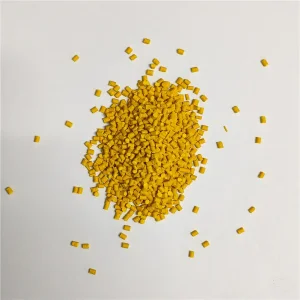
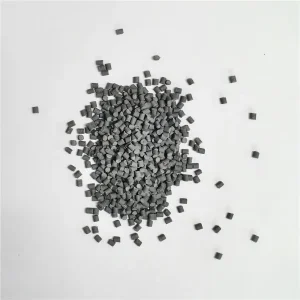
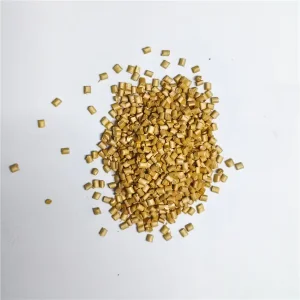
Safeguarding material integrity across long transit times and high-humidity maritime shipping routes to Tarawa Port.
To combat extreme oceanic humidity during 30+ day vessel transit, all masterbatches are sealed in heavy-duty 25kg compound paper-plastic bags lined with an inner aluminum foil anti-moisture barrier film. This ensures zero water absorption before extrusion.
Palletized shipments are fully shrink-wrapped with UV-resistant stretch film and anchored inside 20ft/40ft containers with heavy-duty desiccants to prevent sea-sweat condensation damage during equator-crossing ocean routes.
Every export shipment includes detailed Certificates of Analysis (COA), Technical Data Sheets (TDS), Safety Data Sheets (SDS), and Bill of Lading documentation compliant with Kiribati port authority and customs requirements.
Our state-of-the-art laboratory employs spectrophotometry, MFI testing, and melt pressure filters to guarantee zero batch-to-batch variation.
Using advanced X-Rite dual-beam spectrophotometers, we evaluate masterbatch test plaques under D65, A, and F11 standard illuminants. We guarantee color tolerance within ΔE < 0.5 compared to master Pantone or Ral target standards, preventing color variance across different production batches.
Ensuring smooth extrusion requires matching the Melt Flow Index (MFI) of the masterbatch to the host polymer. Our laboratory measures MFI according to ASTM D1238 standards, ensuring seamless mixing during high-speed blown film or injection cycles.
To prevent screen pack clogging during ultra-thin film blowing, all color and filler masterbatches undergo Filter Pressure Value testing. Low pressure build-up (< 1.5 bar/g) verifies sub-micron pigment dispersion and complete freedom from raw mineral aggregates.
Our formulations strictly prohibit heavy metals (Lead, Cadmium, Hexavalent Chromium, Mercury), polybrominated biphenyls (PBBs), and phthalates. Fully compliant with EU RoHS 2.0, REACH SVHC, and US FDA food contact specifications.
Expert answers for plastic injection molders, blown film extruders, and procurement managers in Teaoraereke.
For high-concentration PE color masterbatches (such as our Blue, White, or Black grades), the standard recommended Let-Down Ratio (LDR) is between 1% to 3% depending on the required opacity and film thickness. For CaCO3 filler masterbatch applications, LDR can range from 5% up to 30% to optimize unit production cost while maintaining film puncture resistance.
Our weather-resistant masterbatches combine high-grade inorganic pigments (like Rutile Titanium Dioxide and furnace Carbon Black) with Hindered Amine Light Stabilizers (HALS) and UV absorbers. This multi-stage photochemical defense neutralizes free radicals formed by intense UV rays, preventing polymer chain scission, chalking, and color fading.
Yes. Our masterbatches feature high thermal stability (260°C+) and powerful antioxidant packages. When added to regrind or post-consumer recycled PE polymers, the active antioxidants help passivate free radicals caused by previous thermal processing cycles, improving melt stability and color uniformity.
Absolutely. We offer complete OEM/ODM custom color formulation. Clients can submit Pantone/RAL color codes or physical plastic target samples. Our R&D lab will formulate a tailored masterbatch recipe, conduct spectrophotometric verification, and dispatch physical sample plaques for your approval prior to mass production.
Standard manufacturing production lead time is 7 to 15 days upon order confirmation. Ocean shipping transit time from our main port facilities to Tarawa Port typically takes 25 to 35 days depending on vessel feeder schedules. Express sample delivery via international air courier (DHL/FedEx) takes 5 to 7 days.
Yes. Our PE White, PE Red, PE Blue, PE Yellow, and selected Filler masterbatches are manufactured in strict compliance with EU 10/2011 and US FDA 21 CFR 177.1520 food-contact standard guidelines. Heavy metals, toxic plasticizers, and aromatic amines are completely excluded.
Optimize your plastic processing efficiency in Teaoraereke. Request technical datasheets, free color matching samples, and competitive factory-direct quotes tailored for your business.
Send Inquiry Now