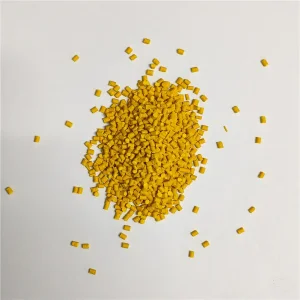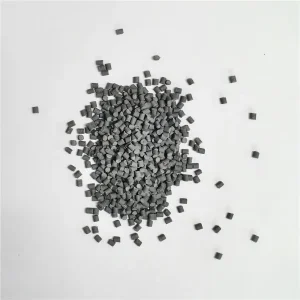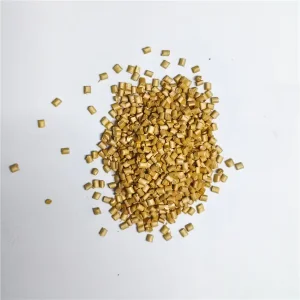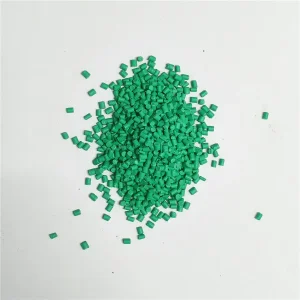
Comprehensive Technical Whitepaper & Strategic Supply Guide on High-Concentration PE Color Masterbatches, Functional Fillers, and Industrial Polymer Solutions for the Indian Subcontinent.
Engineered specifically for high-ambient polymer extrusion, blown film, and precision injection molding applications across India's industrial hubs.
An authoritative breakdown of India's rapid rise as a global plastics manufacturing heavyweight and the critical role of advanced masterbatch compounding.
India’s plastics processing sector has metamorphosed into a multi-billion-dollar powerhouse. Driven by government infrastructure initiatives such as Make in India, the National Master Plan (PM Gati Shakti), and massive investments in agricultural irrigation networks, the domestic demand for high-grade polyethylene (PE) compounds, colorants, and functional masterbatches has surged dramatically.
Key industrial corridors—spanning Gujarat (Hazira, Jamnagar), Maharashtra (Pune, Thane), Tamil Nadu (Chennai), and NCR (Faridabad, Greater Noida)—represent concentrated clusters of high-speed blown film, pipe extrusion, and injection molding machinery. Sourcing high-concentration PE carrier masterbatches with supreme dispersion is no longer a luxury; it is a fundamental requirement to prevent machine downtime and ensure strict regulatory compliance (BIS IS standards).
Globally, polymer converters are executing strategic China+1 sourcing models to diversify supply chains. India stands out both as a massive consumer hub and an emerging export springboard for finished plastic goods to the Middle East, East Africa, and Europe.
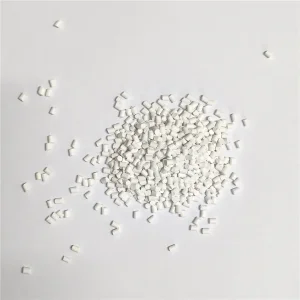
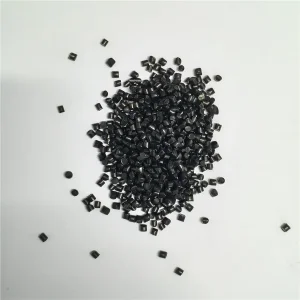
To remain competitive in global export markets, Indian suppliers and procurement directors demand masterbatch formulations that offer significant Information Gain: exact melt flow index (MFI) matching, non-migratory organic pigments, heavy-metal-free additives, and ultra-high pigment loading (up to 70% titanium dioxide in white masterbatch, 50% carbon black loading in black masterbatch) to drive down let-down ratios (LDR) and lower overall unit cost.
Deep whitepaper analysis of pigment dispersion mechanics, thermal stability, and carrier matrix compatibility in high-speed extrusion lines.
Poor pigment dispersion results in pinholes, film tearing, and color streaking under high-pressure blown film extrusion. Premium PE masterbatches undergo multi-pass continuous twin-screw compounding with specialized dispersion waxes (PE wax/PP wax) to break pigment agglomerates down to sub-micron sizes (< 1.0 μm).
Indian polymer processing units often operate under high ambient summer temperatures (exceeding 45°C), forcing barrel temperatures to peak at 240°C–280°C. Standard organic pigments decompose, causing severe color shifting and thermal degradation.
High-purity Calcium Carbonate (CaCO3) filler masterbatches are essential for cost reduction in Indian raffia woven sacks and blow-molded containers. Treated with hydrophobic stearic acid coatings, micro-calcite fillers enhance stiffness, thermal conductivity, and cooling rates.
Tailored polymer colorant and additive solutions meeting specific sector requirements from agro-tech to urban consumer packaging.
The agricultural belts of Western and Southern India rely heavily on micro-irrigation networks and greenhouse stretch films. Exposure to intense ultraviolet radiation requires UV-Stabilized Black Masterbatches loaded with fine P-type furnace carbon black (20-25 nm particle size).
These specialized masterbatches comply with BIS IS 12786 standards for polyethylene pipes for irrigation, preventing environmental stress cracking (ESCR) and ensuring a continuous operational life exceeding 10 years under harsh tropical sun.
With India's digital economy expanding exponentially, logistics hubs in NCR, Bengaluru, and Hyderabad process millions of multi-layer co-extruded courier bags daily. These applications demand dual-colored or high-opacity White PE Masterbatches (70% TiO2 loading) combined with opaque Black inner layers.
The white masterbatch must deliver complete opacity at thin film gauges (under 40 microns), high corona treatment retention for barcode printing, and zero die-lip buildup during high-speed blown film co-extrusion.
Automotive hubs in Chakan (Pune) and Sriperumbudur (Chennai) manufacture auto interior/exterior components, battery casings, and consumer durables. Masterbatches must meet rigid OEM specs: zero fogging, scratch resistance, chemical fastness, and precise color matching (Pantone / RAL color standards).
Engineering-grade PE and PP carrier masterbatches ensure high dimensional stability, zero warping in long-cavity molds, and uniform surface finish without flow lines.
Rotational molding and blow molding manufacturers producing multi-layer overhead water tanks (in 3-layer and 5-layer variants) utilize specialized Foaming Masterbatches, Antibacterial Additive Masterbatches, and Brilliant Blue/Yellow PE Masterbatches.
Compliance with FDA food contact regulations and non-migration guarantees that drinking water remains safe, tasteless, and free from organic leaching under continuous thermal stress.
How regulatory directives from India's CPCB (Central Pollution Control Board) are driving eco-friendly polymer technology.
With India’s mandatory Extended Producer Responsibility (EPR) guidelines enforcing post-consumer recyclate (PCR) incorporation, masterbatches must now act as performance restorers.
Advanced optical brighteners, chain extenders, and color-correcting masterbatches effectively neutralize yellowing in recycled PE/PP flakes, enabling up to 50% PCR usage without compromising visual optics.
To align with strict single-use plastic bans, manufacturers are shifting toward certified compostable packaging. Bio-masterbatches formulated on PBAT, PLA, or starch-based carriers ensure complete degradation in industrial composting facilities while delivering vibrant coloring.
Integrating nanotechnology into polymer matrices introduces functional capabilities: IR barrier properties for agricultural energy-saving films, anti-static masterbatches for cleanroom electronic packaging, and permanent anti-microbial additives for medical diagnostics.
A structured evaluation matrix for procurement managers and chief technical officers sourcing masterbatches in India.
In high-volume polymer processing, selecting a masterbatch based solely on price per kilogram is a critical mistake. The true economic value is governed by the Let-Down Ratio (LDR) efficiency and process yield stability.
Ensure suppliers provide full laboratory batch test certificates, including ISO 9001:2015, RoHS 3.0, REACH compliance, FDA food contact suitability, and heavy metal test reports (Pb, Cd, Hg, Cr VI free).
Rapid spectrophotometer matching (CIELAB system) allows customized shade formulation within 48-72 hours. Prototype sample chips ensure perfect color fidelity before commercial bulk orders.
Strategic warehouse arrangements near key ports (Mundra, Nhava Sheva, Chennai) guarantee steady supply chains, protecting converters against raw material price volatility.
Addressing technical, commercial, and operational queries from polymer converters and B2B buyers in India.
Explore our specialized spectrum of colors, thermal-resistant formulations, and functional additive masterbatches.