
The Kingdom of Spain stands as one of Western Europe’s premier manufacturing epicenters for converted polymer products, technical masterbatch compounding, and industrial plastic solutions. Accounting for over €14 billion in annual turnover and representing more than 3,000 active processing facilities, Spain’s plastics conversion industry is a vital pillar of the broader Southern European supply chain network. The region’s strategic geographic positioning—anchored by major logistics gateways like the Port of Valencia, Port of Barcelona, and Algeciras—provides seamless raw material procurement routes and efficient export channels into North Africa, Latin America, and the European Union internal market.
In recent years, Spanish plastic processors and masterbatch compounding manufacturers have undergone a profound technological transformation. Driven by high-performance demand in automotive manufacturing, agricultural film extrusion, food-grade barrier packaging, and industrial construction components, Spanish converters require polymer colorants and additive masterbatches that combine rigorous physical performance with complete environmental compliance. This whitepaper delivers an exhaustive technical breakdown of Spain's industrial manufacturing landscape, evaluating supply chain strategies, high-concentration polyolefin masterbatch formulations, regulatory frameworks, and technological roadmaps tailored for enterprise buyers and plastic convertors.
Dominating rigid packaging, pharmaceutical containers, and automotive injection molding. Home to major automotive assembly lines (SEAT Martorell, Ford Almussafes) demanding tight-tolerance metallic and technical color masterbatches with non-migration guarantees.
The global epicenter of greenhouse agriculture ("Sea of Plastic"). Extrusion lines produce multi-layer thermal films up to 15 meters wide, requiring specialized anti-UV, anti-fog, and light-stabilized PE masterbatches with high pigment dispersion integrity.
Specializing in heavy industrial extrusion, high-pressure polyolefin piping, and electrical conduit systems. Demand focuses on carbon black loading, heat stability up to 300°C, and structural filler masterbatch optimization.
Information Gain Insight: Sourcing high-concentration PE/PP masterbatches directly from experienced manufacturing partners allows Spanish converters to bypass intermediary blending markups while maintaining Filter Pressure Values (FPV) < 1.5 bar/g—drastically reducing machine downtime and die-clogging during ultra-high-speed film blowing.
Engineered for injection molding, blown film extrusion, and blow molding across Iberian manufacturing hubs.
The manufacturing ecosystem in Spain is governed by strict European regulations and dynamic market demands. Converter companies operate at the intersection of aggressive decarbonization mandates and stringent cost optimization pressures. Key market drivers include:
Spain introduced a non-recycled plastic packaging tax of €0.45 per kilogram. Masterbatches formulated with ultra-high pigment loading enable lower addition rates (LDR of 1%–2%), significantly easing tax burdens for industrial film and container processors.
Spanish converters are blending increasing ratios of Post-Consumer Recycled (PCR) polyolefins. High-opacity white (TiO₂ loading up to 70%) and black masterbatches are essential to mask base color variations and odor in recycled feedstocks.
Southern Spain receives over 3,000 hours of sunshine annually. Polyolefin agricultural films require specialized UV stabilizer combinations (HALS) and NIR-reflective masterbatch formulations to prevent rapid polymer degradation.
Comparative performance analysis for industrial purchasing agents and chemical engineers.
Achieving flawless dispersion without compromising melt rheology requires precise carrier resin matching. In high-speed blown film machines (e.g., Macchi, Reifenhäuser, or Spanish-manufactured Alpine lines), inconsistent masterbatch particle size or improper Melt Flow Index (MFI) causes bubble instability, pinholes, and color streaks.
| Masterbatch Grade | Carrier Resin Base | Active Concentration | MFI (2190g / 190°C) | Heat Resistance | Primary Industrial Application (Spain) |
|---|---|---|---|---|---|
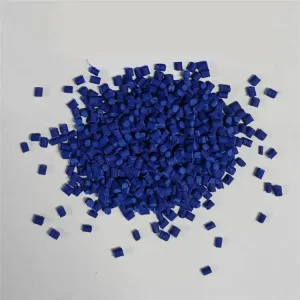
| PE Blue High-Concentration | LLDPE / LDPE | 40% Organic Pigment | 12 – 18 g/10min | 260°C | Water Tanks, Crate Injection, Agricultural Pipes |
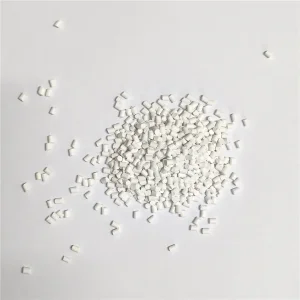
| PE White Ultra-Opacity | Anatase / Rutile TiO₂ | 60% – 70% Rutile TiO₂ | 5 – 10 g/10min | 280°C | Milk Pouches, Laminated Food Films, Greenhouse Covers |
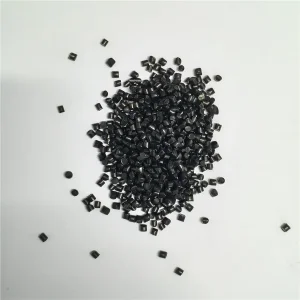
| PE Black Eco-Grade | PE / Recycled Carrier | 30% – 50% Carbon Black | 8 – 15 g/10min | 260°C – 300°C | Drip Irrigation Pipes, Construction Sheeting, Geomembranes |
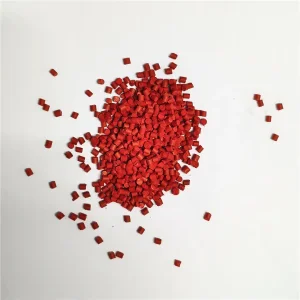
| PE Red / Yellow Bright | LDPE / Universal | 35% High-Chroma Pigment | 15 – 22 g/10min | 260°C | Consumer Goods, Beverage Crate Caps, Logistics Pallets |
| CaCO3 Filler Masterbatch | LLDPE Virgin | 75% – 84% Ultra-fine CaCO3 | 2 – 6 g/10min | 250°C | Cost Reduction in Shopping Bags, Rafia Weaving, T-shirt Bags |
E-E-A-T Technical Standard: Every production lot undergoes rigorous EN 13900-5 Filter Pressure Value (FPV) testing. Our FPV threshold remains strictly below 1.2 bar/gram for 14-micron screens, ensuring zero screen pack blinding during 24/7 continuous extrusion.
Maximizing profitability through strategic supply chain integration and containerized shipping efficiency.
For Spanish plastic manufacturing enterprises, balancing inventory carrying costs against raw material unit economics is crucial. Sourcing directly from high-capacity international masterbatch producers provides substantial margin expansion compared to regional distributor markups. By establishing direct FCL (Full Container Load) procurement programs into major Spanish maritime hubs (Valencia, Barcelona, Bilbao), manufacturing plants achieve a total landed cost reduction ranging between 18% and 27%.
Optimal routing for processors in Murcia, Alicante, and Madrid. Direct customs clearance protocols facilitate rapid container drayage to industrial zones within 48 hours of vessel discharge.
All shipments feature heavy-duty multi-wall aluminum foil vacuum bags protected by ocean-grade wooden pallets and stretch-hood wrap, guaranteeing 0.02% moisture content upon arrival.
We provide scheduled release shipping arrangements, allowing Spanish manufacturers to lock in long-term raw material contract pricing while maintaining lean localized safety stock.
Operating within the European Union requires absolute compliance with chemical safety and environmental legislation. Spanish enforcement agencies (AEMPS and regional health inspectors) conduct strict monitoring of plastic goods intended for food contact, toys, and medical packaging.
Connect with our expert polymer engineering team today to receive full REACH declarations, food contact test reports, and customized color matching samples for your Spanish manufacturing plant.
Send Inquiry NowPioneering circular economy colorants and smart masterbatch additive technologies.
Traditional carbon black absorbs Near-Infrared (NIR) waves, making black plastics invisible to optical sorting equipment at Spanish recycling plants. Our NIR-detectable black masterbatches utilize specialty pigments, enabling automated sorting and full circular recovery.
Developing masterbatches built on certified compostable carriers (PLA, PBAT, PHA) matching the degradation profile of bioplastic agricultural mulches and bio-bags produced in Southern Europe.
Integrating machine learning color-matching algorithms to instantly formulate precise Pantone/RAL matches for Spanish brand owners within 4 hours, lowering sample development lead times by 75%.
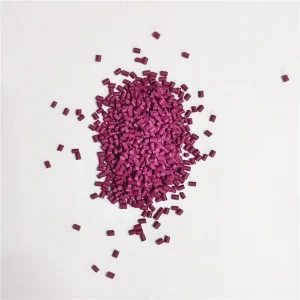
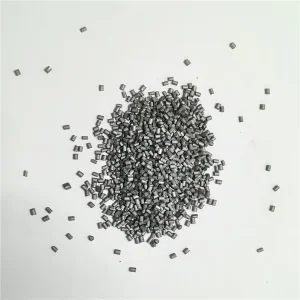
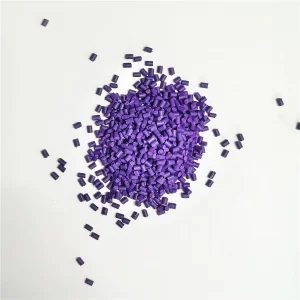
Complete product range available for export to Spain, Southern Europe, and global markets.
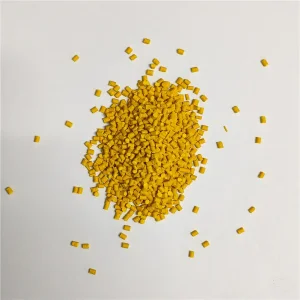
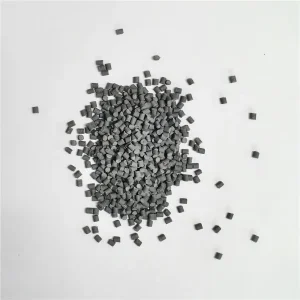
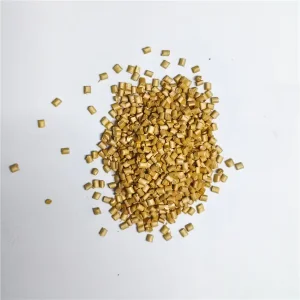
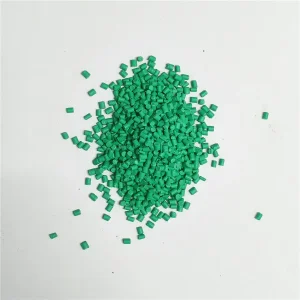
Expert answers addressing the specific queries of Spanish plastic processors and international procurement managers.
We utilize prime LLDPE carrier resins with a Melt Flow Index (MFI) matched to your base polymer matrix (typically MFI 10–20 g/10min at 190°C/2.16kg). This ensures perfect melt compatibility, homogeneous pigment dispersion, and prevents phase separation during high-speed film extrusion.
By engineering masterbatches with pigment loadings up to 70%, processors can achieve desired opacity and color strength at significantly lower let-down ratios (LDR of 1% instead of 3%–4%). This reduces the overall virgin masterbatch volume required, directly lowering tax liabilities under Spain's non-recycled plastic regulations.
Production completion typically requires 7 to 10 days upon order confirmation. Ocean transit time from main shipping ports to Valencia, Barcelona, or Bilbao averages 22 to 28 days. Full container loads (FCL) allow for streamlined customs clearance and direct delivery to your factory floor.
Yes. Grades designed for packaging applications undergo rigorous testing to ensure compliance with EU Regulation 10/2011 and FDA standards. They are certified heavy-metal-free, phthalate-free, and suitable for direct food contact packaging applications.
We utilize X-Rite spectrophotometers and automated color-matching software. Each production batch is tested against master standard plaques with a strict Delta E tolerance of < 0.5. Melt flow and dispersion (FPV) testing are documented in every Certificate of Analysis (COA).
Absolutely. Spanish customers can provide Pantone, RAL, or physical plastic sample references. Our R&D laboratory develops exact laboratory color matches and produces sample masterbatch pellets within 3 to 5 business days for client validation.
Enhance product quality, optimize processing efficiency, and reduce raw material costs for your Spanish plastic manufacturing enterprise. Contact our technical team today for instant quotes and free samples.
Send Inquiry Now