Optimized for high-speed injection molding, precision blown film, and technical extrusions across Kansai industrial hubs.
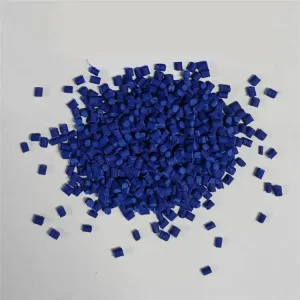
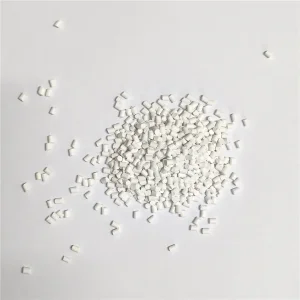
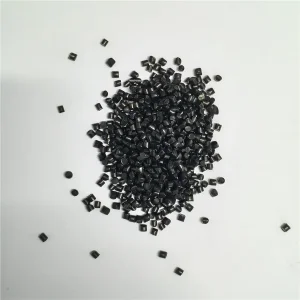
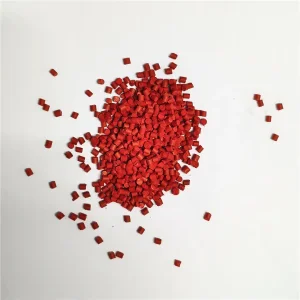
Understanding why Kansai-based enterprises require micro-dispersed, high-purity masterbatch formulations to maintain international competitiveness.
Higashiosaka is world-renowned for its dense concentration of small-to-medium manufacturing enterprises (SMEs) specializing in precision mold design, high-speed injection molding, and complex polymer components. These facilities operate under ultra-tight processing tolerances where pigment agglomeration causes microscopic pinholes or surface blemishes. Delivering masterbatch solutions to this market demands carrier resins with exact melt flow index (MFI) matching and dispersion indices below 0.1 mm² filter pressure value (FPV).
The Sakai and Senboku coastal industrial sector forms the backbone of Western Japan’s chemical processing and primary packaging infrastructure. High-speed multi-layer co-extrusion lines producing agricultural films, industrial stretch wraps, and liquid packaging require white and filler masterbatches with exceptionally low moisture content (<0.05%) to prevent bubble rupture and maintain structural tensile strength during high-draw-down blown film processing.
Manufacturers across Osaka, Hyogo, and Kyoto adhere to rigorous Japanese Industrial Standards (JIS K 6922 for polyethylene materials and JIS Z 2801 for antimicrobial properties). Chemical suppliers must provide absolute transparency: zero lead, mercury, hexavalent chromium, or polybrominated biphenyls (PBB/PBDE) under RoHS 2.0 and REACH SVHC, alongside food-grade compliance verified by FDA and EU No 10/2011 certifications.
How our advanced PE masterbatches address critical manufacturing challenges in Kansai's primary production sectors.
Osaka serves as Western Japan's food processing and logistics hub. Film extruders producing barrier bags, pouch films, and stretch films require masterbatch formulations that offer extreme opacity and clean color tone without compromising sealability or slip properties. Our PE White Masterbatch with 70% Rutile TiO2 provides maximum light-blocking capabilities, protecting light-sensitive foods from UV degradation while preventing color bleeding into contained oil or fat emulsions.
Technical Benefit: Zero heavy metals, low odor emission during thermal extrusion, and non-migration properties under retort processing conditions.
Supplying Tier-1 automotive molders in the Kansai region (connecting Osaka with Shiga and Hiroshima manufacturing corridors) requires pigment formulations capable of surviving high shear stress and elevated mold temperatures up to 260°C. Our High-Concentration PE Black & Metallic Masterbatches incorporate sub-micron furnace carbon black and surface-treated aluminum flakes, ensuring uniform sheen, scratch resistance, and long-term UV weathering resistance without surface delamination.
Technical Benefit: Class-A surface finish, reduced warp/shrinkage distortion in thin-walled automotive trim panels.
Infrastructure projects and municipal logistics across Osaka Bay demand HDPE water supply pipes, corrugated conduit, and heavy-duty industrial transport pallets. Formulating with our Polyethylene Carrier Color Masterbatches ensures superior dispersion within high-molecular-weight resins (HMW-HDPE), preventing stress crack initiation points and increasing environmental stress cracking resistance (ESCR).
Technical Benefit: High carbon black loading for lifetime UV protection, preserving pipe tensile strength for over 50 years of underground installation.
Leading electronics brands headquartered in Osaka demand flawless visual appearance and strict batch-to-batch color consistency (Delta E < 0.3 under spectrophotometric analysis). Our micro-pellet color masterbatches deliver consistent melt blending during thin-wall injection molding of home appliance housings, remote controls, and personal care devices.
Technical Benefit: Anti-static and flame-retardant carrier compatibility, eliminating flow lines and weld line discoloration.
Bridging green chemical engineering with next-generation polymer processing to support Japan's 2050 Carbon Neutrality Mandate.
As Japanese manufacturers shift toward circular economy models, traditional fossil-fuel-based carrier resins present carbon footprint challenges. Our R&D division has commercialized low-carbon masterbatches utilizing bio-PE carriers derived from sugarcane ethanol, as well as high-purity post-consumer recycled (PCR) PE matrix carriers. These formulations maintain identical pigment loading capacity and melt index parameters while reducing embodied carbon by up to 45%.
Traditional masterbatch granules (2.5mm to 3.0mm) can experience uneven distribution in high-speed, small-shot injection molding machines. Our continuous twin-screw extrusion lines utilize micro-pellet underwater pelletizing technology, producing uniform granules sized between 0.8mm and 1.2mm. This dramatic increase in surface-area-to-volume ratio allows instantaneous melting and flawless dispersion even at ultra-short cycle times of under 8 seconds.
Integrating artificial intelligence into color formulation database management allows our compounding engineers to achieve sub-fractional color tolerance (Delta E < 0.2) against physical Pantone or RAL standards within hours. Furthermore, our zero-VOC (Volatile Organic Compound) liquid dispersion technology eliminates carrier degradation gases during high-temperature processing, protecting operator health and preventing mold vent clogging.
How Changzhou Jiazhou Plastic Products Co., Ltd. delivers world-class cost efficiency, massive capacity, and seamless ocean logistics to Osaka Port.
Located in Jiangsu Province — China’s premier petrochemical hub — Jiazhou Plastic maintains direct strategic procurement agreements with global primary polymer producers and pigment synthesis plants. This raw material integration allows us to hedge against volatile resin market spikes, offering Osaka buyers long-term contract price stability and an unbeatable cost-to-performance ratio.
Our 6,000 m² state-of-the-art facility operates multiple high-torque twin-screw compounding lines equipped with loss-in-weight gravimetric feeders, side-stuffing liquid injection units, and automated optical pellet inspection systems. With an annual capacity exceeding 20,000 metric tons, we guarantee high-volume order execution without bottlenecking.
Benefiting from proximity to Shanghai and Ningbo ports, ocean freight transit to Osaka Port or Kobe Port takes merely 3 to 5 days. Combined with our agile production scheduling (15-day standard turnaround for custom orders), Kansai manufacturers can maintain lean inventory levels while eliminating supply chain disruption risks.
Ensuring flawless integration into your existing injection molding, blown film, and pipe extrusion equipment.
Every production lot manufactured at Changzhou Jiazhou undergoes rigorous quality control protocols prior to export documentation release:
We provide complete regulatory dossier packages with every shipment to Osaka, streamlining Japanese customs clearance and client audit compliance:
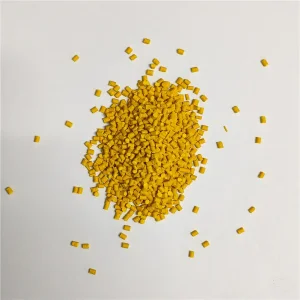
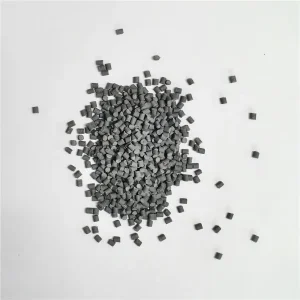
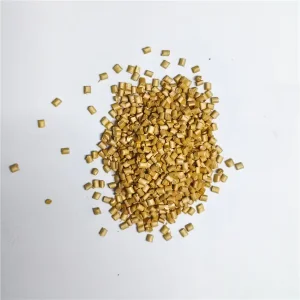
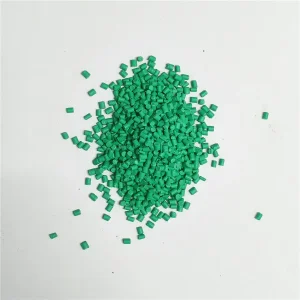
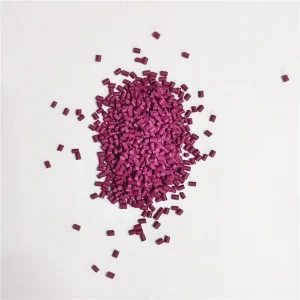
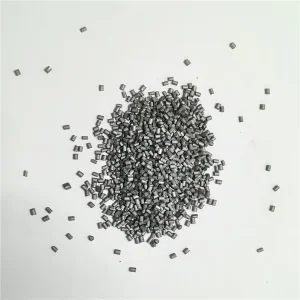
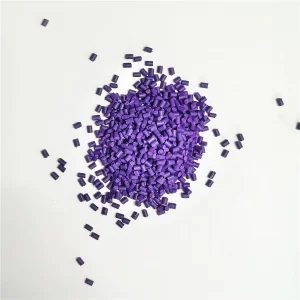
Browse our comprehensive selection of high-concentration color and additive masterbatches for all industrial applications.
Expert answers regarding processing parameters, carrier selection, compliance standards, and logistics to Kansai.
Optimize your plastic processing cost, color consistency, and production efficiency across Osaka and the Kansai region. Request free samples and custom formulation quotes today.
Send Inquiry Now