Formulated with premium pigment loadings, exceptional filterability, and high thermal resistance up to 260°C to meet strict Turkish industrial standards.
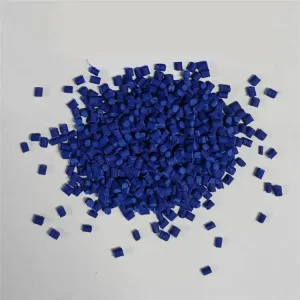
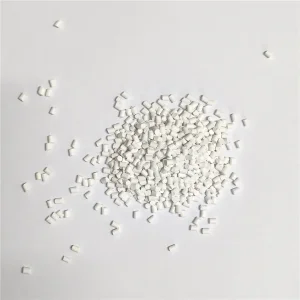
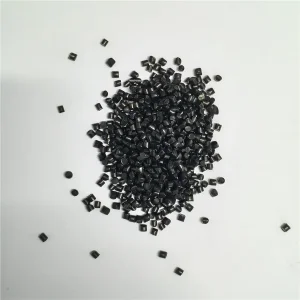
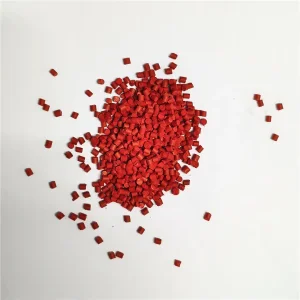
An in-depth analysis of Turkey’s position as Europe's second-largest plastics converter and the critical material demands of its manufacturing hubs.
Turkey’s plastics processing sector operates as a pivotal bridge connecting European quality standards with Middle Eastern and Eurasian supply routes. Key industrial zones such as Gebze (Kocaeli), Marmara, Bursa, İzmir, and Gaziantep represent massive processing volumes across packaging film extrusion, automotive injection molding, agricultural greenhouse films, and woven PP sacks.
Turkish manufacturers face intense pressure to maintain high output rates while controlling unit costs. This requires raw material inputs—specifically Polyethylene (PE) and Polypropylene (PP) masterbatches—to deliver ultra-consistent Melt Flow Indexes (MFI), minimal filter pressure values (FPV), and perfect pigment dispersion to avoid costly machine downtime or extrusion line breaks.
Turkey’s unique geographic location demands high-performance additive and color masterbatch formulations tailored to harsh Mediterranean and continental UV exposure levels:
Why top plastic processors across Istanbul, Izmir, and Ankara rely on rigorous quality verification and carrier resin compatibility.
Procurement directors evaluating masterbatch suppliers for the Turkish market must weigh short-term unit prices against long-term operational efficiency. Below is an engineering benchmark breakdown showcasing how high-dispersion PE carrier masterbatches reduce operational risk:
| Technical Parameter | Standard Commercial Masterbatch | Jiazhou Engineering Masterbatch (Turkey Grade) | Impact on Production Line Efficiency |
|---|---|---|---|
| Pigment Dispersion Particle Size | > 15 - 25 Microns | < 3 - 5 Microns | Prevents filter clogging, reduces screen pack changes by 65%. |
| Filter Pressure Value (FPV) | > 2.5 bar/g | < 0.8 bar/g | Ensures smooth extrusion for ultra-thin blown films (<12 μm). |
| Carrier Resin Compatibility | Recycled/Generic Carrier Residues | 100% Virgin LLDPE / LDPE / HDPE | Zero delamination, optimal mechanical tensile strength retention. |
| Thermal Degradation Limit | 220°C - 240°C | 260°C - 300°C | Prevents pigment discoloration during high-speed injection cycles. |
| Regulatory Compliance | Basic Certificate Only | REACH, RoHS, FDA 21 CFR, EU 10/2011 | Guarantees seamless re-export of finished products into EU markets. |
Optimized masterbatch formulations tailored to major polymer transformation methods used in Turkish manufacturing plants.
For high-speed film blowing operations producing shopping bags, agricultural mulch, and multi-layer food packaging. Technical highlights include:
Engineered for crate manufacturing, automotive trim components, and household consumer goods processed on heavy injection machinery:
Dedicated to PE100 pressure pipes, corrugated conduit, and telecom cable jacketing operating under harsh environmental stress:
Adapting masterbatch technology to meet Turkey's Zero Waste Regulations (Sıfır Atık) and European Green Deal compliance.
As Turkish plastic processors increase the inclusion of Post-Consumer Recycled (PCR) and Post-Industrial Recycled (PIR) resins to comply with EU export mandates, carrier resin compatibility becomes vital. Our specialized masterbatches utilize high-dispersibility carrier wax systems that homogenize recycled resin matrices, masking yellow indices and restoring mechanical impact strength.
By increasing active pigment and functional mineral loadings up to 75%, our masterbatches allow Turkish converters to reduce let-down ratios (LDR) from 4% down to 1.5%–2%. This drastically lowers shipping weight, minimizes storage footprint in Turkish industrial warehouses, and reduces energy consumption during extruder melting cycles.
We provide full-spectrum logistics and technical support engineered for Turkish importers and manufacturers across major ports including Ambarlı (Istanbul), Gebze, Mersin, and Aliğa (İzmir).
Request custom color matching, technical datasheets, or competitive direct-factory price quotes tailored to your exact monthly volume requirements in Turkey.
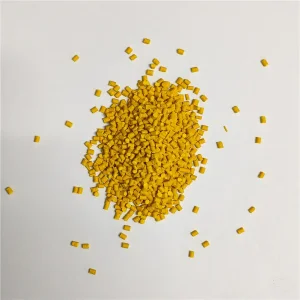
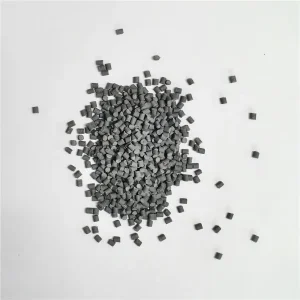
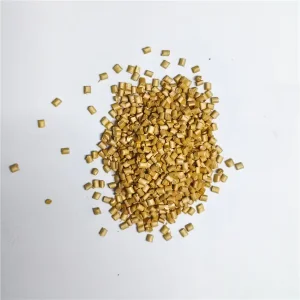
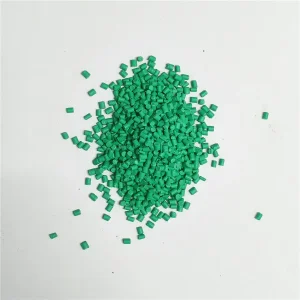
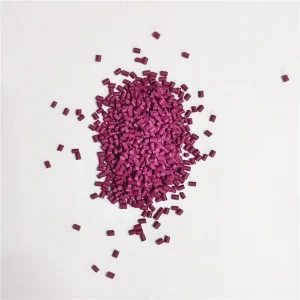
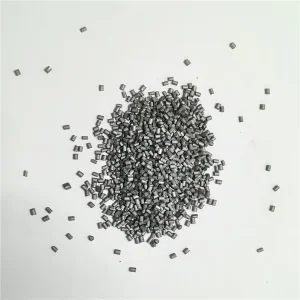
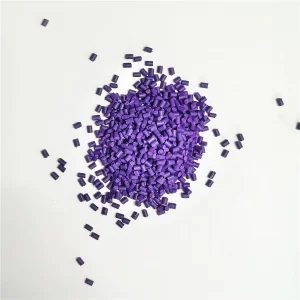
Comprehensive masterbatch portfolio engineered for blown film, injection molding, and extrusion coloring across all major polymer carriers.
Answers to essential technical, logistics, and compliance questions regarding masterbatch procurement for the Turkish market.
All our PE color and filler masterbatches comply fully with REACH (EC 1907/2006), RoHS 3 (EU 2015/863), and EU Food Contact Regulation 10/2011. Heavy metal concentrations (Pb, Cd, Hg, Cr VI) are certified below 100 ppm, allowing Turkish plastic converters to export finished goods into the EU market without regulatory barriers.
We ship directly from Ningbo or Shanghai ports via primary ocean lines with transit times of 16 to 22 days to Turkish ports including Ambarlı (Istanbul), Gebze, Mersin, and Aliğa (İzmir). Full shipping documentation including Bill of Lading, Certificate of Origin, and Packing Lists are processed swiftly to facilitate customs release.
Yes. Send us your target Pantone code or physical plastic sample. Our R&D spectrophotometer laboratory will formulate a matching masterbatch carrier blend, complete with a ΔE < 0.5 verification report, and dispatch sample granules to your Turkish factory within 48-72 hours.
Our high-concentration White Masterbatch utilizes rutile-grade Titanium Dioxide with a Filter Pressure Value (FPV) under 0.8 bar/g. This guarantees zero die build-up, zero pinholes or streaks, and uniform opacity even when extruding high-speed packaging films as thin as 10–12 microns.
Due to high pigment loading (up to 40%–70% active content), our standard recommended let-down ratio ranges between 1% and 3% for blown film extrusion, and 1.5% to 2.5% for injection molding, providing superior tinting strength while minimizing raw material costs.
Our standard MOQ for standard catalog items is 1,000 kg (1 Ton). For trial orders or custom color formulations, we accommodate flexible trial quantities to support plant testing before full LCL or FCL container commitments.