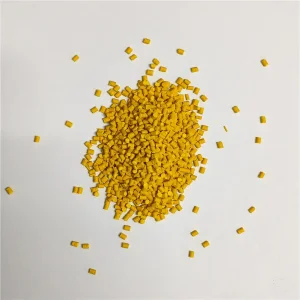
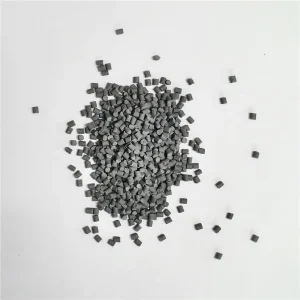
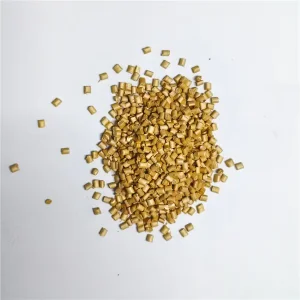
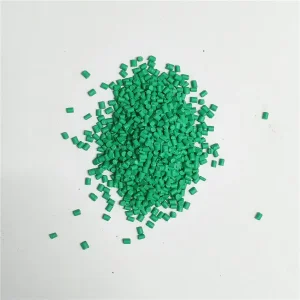
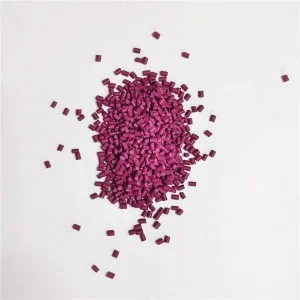
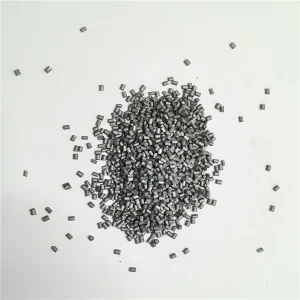
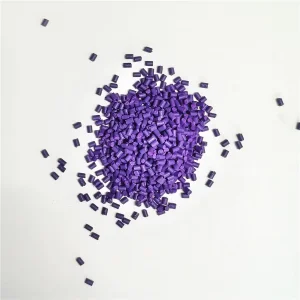
Engineered for high-melt thermal stability, optimal dispersibility in low-density PE blown film lines, and UV-resistant outdoor applications across the Thiès–Dakar industrial hub.
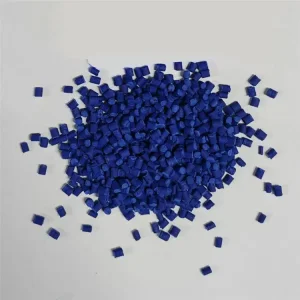
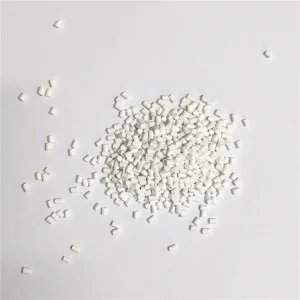
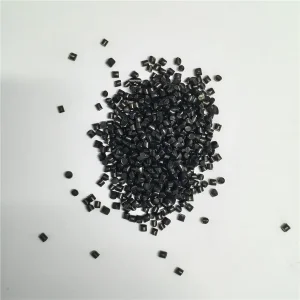
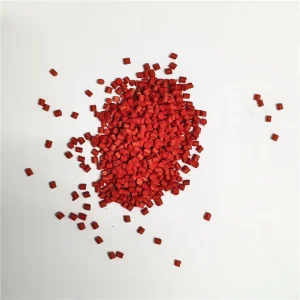
Analyzing the pivotal role of Thiès as a burgeoning manufacturing cluster in West Africa and how high-precision additive compounding supports regional modernization.
Positioned along Senegal’s major transportation spine, Thiès represents the premier logistics crossroads connecting Dakar’s deep-water port with the inland agricultural basins of Diourbel, Kaolack, and Saint-Louis. Factories established in the Thiès industrial zone benefit from reduced congestion, direct rail connectivity, and expansive land parcels suited for heavy polymer extrusion and high-output blow-molding operations.
Senegal's agricultural belt relies heavily on Thiès-manufactured plastic products, from micro-irrigation drip pipes to heavy-duty silage wraps and post-harvest transport crates. Masterbatch suppliers must formulate carrier-specific granules that offer elevated resistance to extreme ambient UV degradation, aggressive chemical fertilizers, and variable operating temperatures typical of the Sahelian climate.
Under the national industrial acceleration strategy, Thiès is capturing direct investment into domestic production facilities. Modern converter operations require consistent, low-MFI masterbatch systems designed for high-speed multi-layer co-extrusion machinery, ensuring stable melt viscosities and eliminating processing downtimes caused by thermal clumping or screen pack fouling.
Addressing the pain points of West African procurement directors: batch consistency, logistics predictability, and mechanical performance preservation.
Industrial processors in Thiès frequently grapple with shifting petrochemical resin rates and long transshipment lead times. Our CaCO₃-reinforced filler masterbatches and high-chroma concentrated colorants provide up to 30% reduction in virgin polymer utilization while retaining critical elongation at break and puncture resistance in blown film applications. This allows converters to control operational unit costs without sacrificing finish quality.
The western coastal dry savanna of Senegal experiences prolonged periods of intense ultraviolet irradiation and elevated ambient processing temperatures. Standard pigments tend to suffer photo-degradation, chalking, and thermal discolouration during daylight operations. Our formulations integrate synergistic Hindered Amine Light Stabilizers (HALS) and rutile-grade TiO₂ to ensure high opacity, non-migrating properties, and long-term chromatic fidelity.
Connect directly with our senior application chemical engineers for tailored formulation matching and bulk ocean-freight dispatch.
A structured approach to Senegalese market integration, regional customs documentation, and technical alignment with circular economy demands.
Every shipment bound for the Port Autonome de Dakar and on-forwarded to Thiès is backed by complete Certificate of Analysis (COA) dossiers, food-contact declarations (FDA/EU compatible), and RoHS heavy-metal exclusion certificates. This guarantees streamlined clearance at customs terminals and compliance with Senegalese packaging directives.
We provide remote and technical support for factory plant managers in Thiès. Our engineering parameters include comprehensive Melt Flow Index (MFI) matching, screw speed optimization, and dosage metering protocols, ensuring zero nozzle drool, bubble instability, or streaking during shift transitions.
As sustainability initiatives take hold across West Africa, industrial plants in Thiès are adopting Post-Consumer Recycled (PCR) resin streams. Our specialized odor-neutralizing, antioxidant, and compatibilizing masterbatches permit high-percentage recycled content blends without degrading polymer tensile modulus or appearance.
Direct technical answers regarding procurement, dispersion indices, carrier compatibility, and shipment tracking.
For typical HDPE or LLDPE film blow operations running at 25-50 microns, our high-concentration color masterbatch is dosed between 1.0% and 3.0%, depending on target opacity and shade depth. For white agricultural mulch or milk pouches, dosages generally range from 3% to 6%.
We utilize organic and inorganic pigment combinations with a temperature rating of ≥260°C and a lightfastness index of 7-8 on the Blue Wool Scale. Each manufacturing batch is subjected to a spectrophotometer Delta E inspection (keeping ΔE < 0.8) and melt-index uniformity tests before container loading.
Yes. While virgin PE remains our most universal carrier, we customize carrier resins with matching MFI (ranging from 4 to 25 g/10min) to guarantee total molecular compatibility, zero delamination, and rapid plasticization inside injection or blow-molding equipment.
Orders are dispatched in moisture-proof 25kg valve bags loaded onto palletized 20GP or 40HQ containers. Ocean transit from Chinese export ports to the Port of Dakar is approximately 28 to 35 days, followed by direct trucking transfers to industrial parks throughout the Thiès region.
Explore our complete catalog of specialized pigments, metallic finishes, and functional masterbatches built to meet export manufacturing standards.