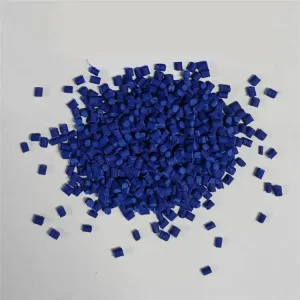
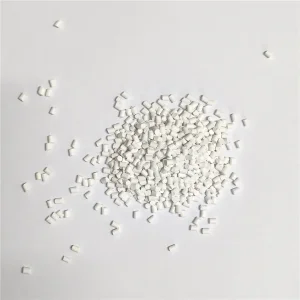
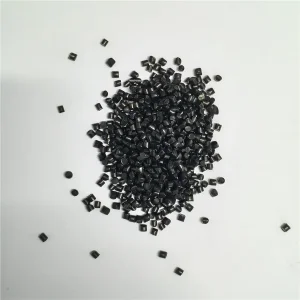
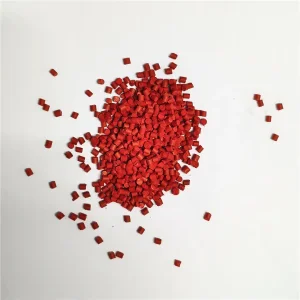
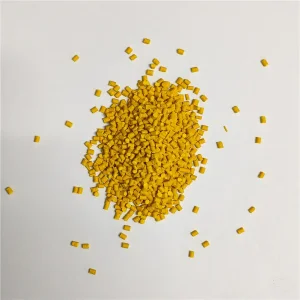
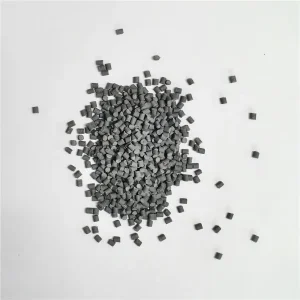
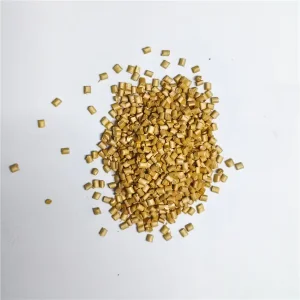
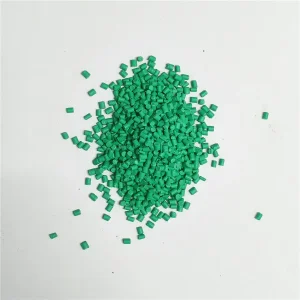
Brazil stands as the largest economy in South America and ranks among the top plastic processing markets globally. According to the Brazilian Plastics Industry Association (ABIPLAST), the country processes over 6.5 million metric tons of synthetic resins annually. Industrial hubs spanning the Greater São Paulo area, the Polo Petroquímico de Camaçari in Bahia, the Triunfo Petrochemical Complex in Rio Grande do Sul, and the Manaus Free Zone (Zona Franca de Manaus) generate massive demand for high-performance masterbatches, pigment concentrates, and functional additive formulations.
Key Insight for Brazilian Buyers: Brazil’s tropical climate demands color masterbatches with exceptional UV stability (UV indexes consistently above 11+) and heat resistance up to 260°C to prevent thermal degradation during processing and premature color fading under solar irradiance.
Key Market Drivers & Technical Challenges in Brazil
Procurement teams and polymer conversion engineers across Brazil face a unique matrix of operational conditions:
- Agribusiness Boom & Heavy-Duty Packaging: Brazil’s status as a global leader in soybean, coffee, sugar, and corn exports requires vast quantities of high-density polyethylene (HDPE) and linear low-density polyethylene (LLDPE) silobags, mulch films, and bulk export sacks. These products demand highly concentrated carbon black and UV-stabilized white masterbatches capable of preserving structural integrity over multi-month outdoor exposures.
- Consumer Goods & Cosmetic Packaging: Cities like São Paulo and Curitiba house major cosmetics and personal care manufacturing plants. Brands require pristine Pantone color accuracy, metallic sheen effects (Gold and Silver masterbatches), and non-migratory organic pigments compliant with ANVISA health safety guidelines.
- Infrastructure & Urban Water Management: Massive municipal investments under the Brazilian Sanitation Framework (Marco Legal do Saneamento) have boosted demand for HDPE pressure pipes, corrugated conduit lines, and geo-membranes requiring precise carbon black dispersion to resist environmental stress cracking (ESCR).
Tropical UV Resistance
Formulated with light stabilizers (HALS) and Rutile TiO2/Carbon Black to withstand South American solar intensity without polymer chalking.
260°C Heat Stability
Prevents pigment discoloration and resin degradation during high-speed extrusion and thin-wall injection molding cycles.
ANVISA & RoHS Compliance
Free from heavy metals and toxic additives, fully safe for food-contact rigid packaging and beverage bottle caps.